

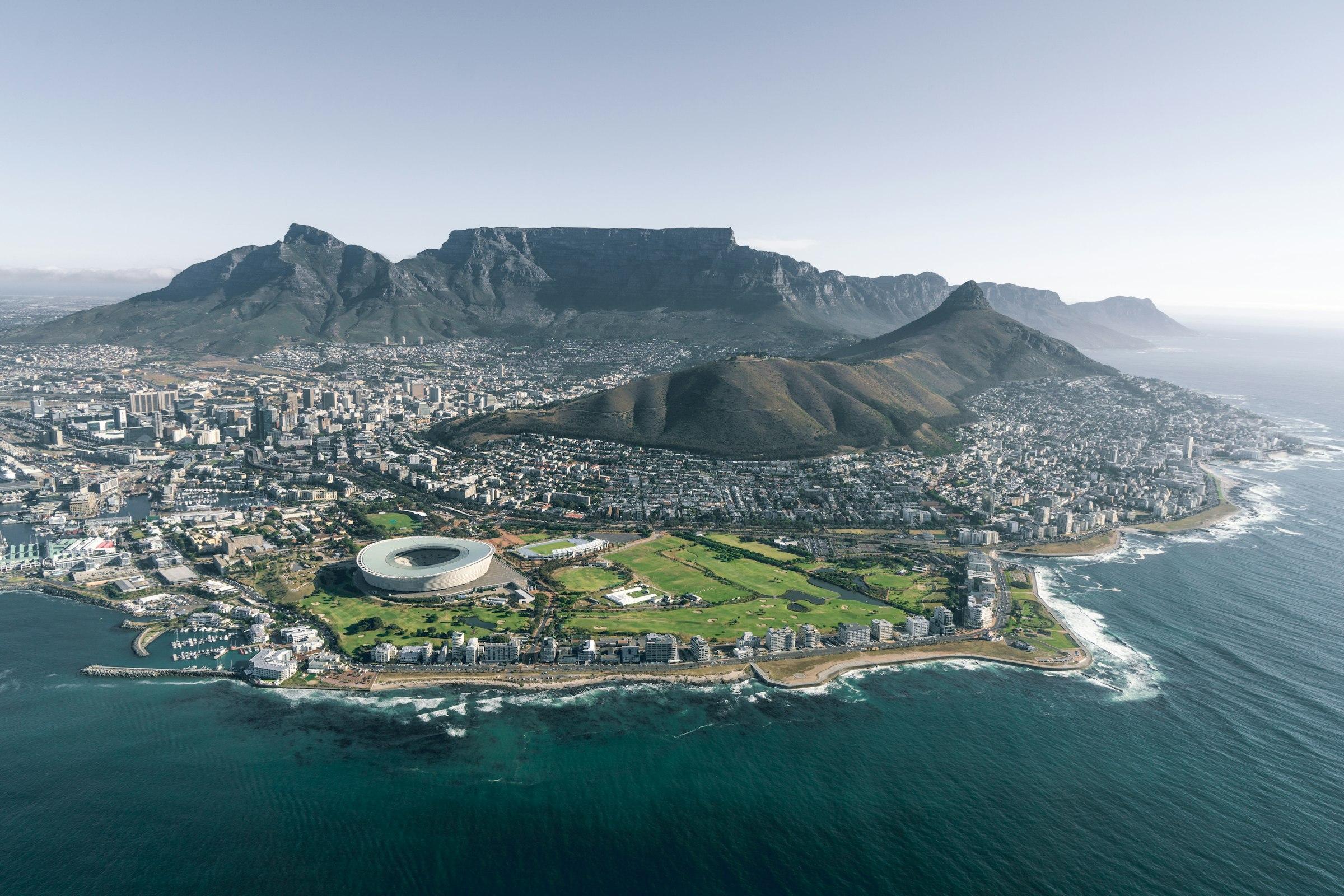
🇿🇦Cape Town for Digital Nomads
South Africa · Mountains and ocean
Photo: Tobias Reich / Unsplash
Costs
from €1,460/mo
Wifi
28Mbps
Mild months
5of 12
Safety
0.0
Overall
3.7
Cape Town at a glance
Cape Town's pitch is the calendar. The seasons run opposite to Europe's, so its summer covers the European winter — and because the clock barely moves against Central Europe, you keep close to a full working day of overlap while sitting under a mountain. Five of 12 months land in the mild band2 (source: Nomadbase comfort index — mild months from Open-Meteo, 2025), and the setting — a national park inside the city, two coastlines, vineyards at the edge — is not a normal city backdrop.
Two things belong in the honest column, and neither should be whispered. Safety is a real subject: most residents go about their lives without incident, but they do it with habits — ride-hailing after dark instead of walking, phones kept off the street, a question to a local before an unfamiliar route. Adopt the habits early and they become background. And load-shedding, the scheduled blackouts that once defined South African life, has receded — the grid has been stable for a sustained stretch and Cape Town sits at the better-protected end of it — but the inverter in every café tells you how recently that changed. Ask any flat what happens when the power goes; the good ones have an answer.
It suits you if the European winter is the problem you are solving — you want summer in January, the outdoors on your doorstep, and you are comfortable managing a few logistics in exchange. It suits you less if you want to walk everywhere at any hour, or if a base that asks for ongoing situational awareness would sit in the back of your mind.
What works
- 5 of 12 months land in the mild band2 (source: Nomadbase comfort index — comfort index from Open-Meteo, 2025) — and they fall across the European winter
- 90 days visa-free on EU and US passports15 (source: Government sources — checked July 2026), with a Remote Work Visitor Visa of up to three years15 (source: Government sources — checked July 2026)
- Almost no clock shift against Central Europe — you keep close to a full working day of overlap
- A café and coworking culture that treats remote work as normal — backup power included
Worth knowing
- Safety needs managing: ride-hailing after dark and phones off the street are resident habits, not tourist paranoia
- 28 Mbps median download6 (source: M-Lab — median of speed tests, 7-day window, July 2026) is modest — confirm the fibre line before you book
- Modelled PM2.5 of 24 µg/m³4 (source: Copernicus CAMS — CAMS model, July 2026) — no measuring station in our data yet, and winter inversions are part of the picture
- Distances are car-shaped; without a car or a steady ride-hailing habit the city shrinks
Living in Cape Town
Neighbourhoods, finding a place and getting around — the practical layer the data tiles below cannot carry. Working, money, people and time off live in their own sections.
Where to stay
The city runs long and thin around the mountain, and where you land decides how car-dependent you are.
- City Bowl (Gardens, Tamboerskloof, Oranjezicht) — under Table Mountain, closest to the café and coworking core, walkable by day within its own streets. The default first base.
- Sea Point and Green Point — the Atlantic seaboard: flat, dense, the promenade for running, and the most walkable stretch of the city.
- Observatory — the student quarter: scruffier, livelier, with its own café strip and a younger crowd.
- Woodstock and Salt River — the converting industrial belt, home to studios, markets and lofts. Regeneration is patchy street by street, so view before you commit.
- Muizenberg — surf-town Cape Town on False Bay: warmer water, slower pace, and a real commute whenever you need the centre.
In all of them the practical questions are the same: how you get home at night, and whether the building has secure parking. Ask both before you book.
Finding a place
The market swings with the season. Furnished summer stock gets booked from Europe months ahead, and the best of it is gone by spring; winter is the renter's market, with landlords suddenly willing to talk. If you are coming for high season, book early — if you are flexible, arrive in the shoulder and look in person.
The furnished medium-term market is well developed, split between the local rental portals, agencies, and busy Facebook housing groups. Three questions matter more than the photos: is fibre already installed and live, what is the backup power situation, and is the parking off the street. A flat that answers all three well is worth a premium of patience.
Getting around
The honest answer: you will probably want a car, or at least a steady ride-hailing habit. The city is built around driving, and residents use ride-hailing for short after-dark hops without embarrassment — do the same. Driving is on the left, hire cars are everywhere, and the day trips are the real argument for having one.
MyCiTi, the bus rapid transit network, is the exception worth knowing: reliable along the Atlantic seaboard and out to the airport — use it where it runs. The southern railway line hugs the False Bay coast towards Muizenberg and Simon's Town and is worth riding for its own sake; treat it as an outing rather than a schedule. Walking is fine by day in the main strips. At night, take a car, even for short distances — residents do.
Cost of living
#46of 101 destinations
€1,460–€1,605/mo
a coliving room to a place of your own, plus everyday spending
What a month actually costs, as a range — housing you can verify, everyday spending modelled from national price levels, and every line labelled with which it is.
Money
The currency is the rand, and cards with tap are near-universal in the parts of the city you will use — carry only a little cash, for markets and car guards. Use ATMs inside banks or shopping centres rather than street machines, and decline the on-screen currency conversion; your own bank's rate is better.
Tipping is a wage component here, not a flourish: waiters are tipped on every bill, and the car guard who watched your street works for coins. Budget the habit in rather than debating it each time.
- Housing — own place, short-let market to coliving room
- €1,081 – €1,110
- Food, groceries and eating outmodelled
- €183 – €259
- Local transport
- €79
- Leisuremodelled
- €97 – €138
- Mobile data
- €20
- Coworking deskadd-on, not in the range
- €135/mo10 (source: Published prices — Workshop17 & Ideas Cartel hot-desk rates (median of 2) (2,572.5 ZAR), Workshop17 "Your Own Boss" all-day hot desk R3,145 +VAT (monthly plan), Ideas Cartel "Monthly" coworking R2,000 +VAT (https://www.ideascartel.com/pricing); no third operator publishes a hot-desk monthly rate, checked 2026-07-29)
- Short-let market, whole flat
- €1,616/mo8 (source: Inside Airbnb — market price (median of 192 monthly entire-home listings), Q2/2026)
- whole-home short-let listings, not a nomad's room
Spot prices: coliving room €1,110/mo10 (source: Published prices — Neighbourgood Romney (Green Point), cheapest suite, operator publishes nightly from-rates only — "From EUR 37 per night" (Romney; rooms €36.65–53.41/night incl. weekly cleaning, wifi, workspace hot-desk access) ×30 nights; no monthly rate published, checked 2026-07-29) · 3-star hotel €78.38/night10 (source: Published prices — median of 3 listed 3-star rates (Booking.com), night of 17 Aug 2026 (1,494 ZAR), City Lodge Hotel Pinelands R1,494, Garden Court Nelson Mandela Boulevard R1,678, StayEasy Cape Town City Bowl R1,348; double room incl. taxes; winter low-season rate, checked 2026-07-29) · café latte €2.4110 (source: Published prices — Bootlegger Coffee Company, Latté (L), Winter 2026 café menu (46 ZAR), leading Cape Town chain; Starbucks SA publishes no prices and Uber Eats blocks fetches, checked 2026-07-29) · Big Mac €3.0210 (source: Published prices — The Economist Big Mac Index, national average (56.90 ZAR = 3.49 USD), July 2026 release — data CC BY 4.0)
Work
#89of 103 destinations
28Mbps
median download, measured in the city
Connection, desks and whether a day here meets yours — the three things that decide whether you can do your job from this city.
Working from here
Coworking here is deep and professional, spread through the City Bowl, along the Atlantic seaboard and into Woodstock's converted mills, and day passes are the norm — trying several spaces costs you a week, not a commitment. The load-shedding years built a habit into the market: spaces advertise their backup power the way others advertise coffee, and it is still worth asking.
Café work is easy. 251 cafés are mapped within 15 km5 (source: OpenStreetMap — July 2026), the specialty-coffee culture is serious, and laptops are tolerated in most of it. Vegan options are ordinary rather than niche — 3.6 of every 100 mapped restaurants & cafés flag them5 (source: OpenStreetMap — July 2026).
Internet
Coliving & coworking
- Coworking spaces mapped
- 55 (source: OpenStreetMap — within 15km)
- Cafés mapped
- 2515 (source: OpenStreetMap — within 15km)
Time zones
- Workday overlap with Europe
- 7 of 8 h1 (source: Copernicus ERA5 — Nomadbase overlap of a 09:00-17:00 day against Open-Meteo time zone (Africa/Johannesburg), standard time; Europe reference UTC+1)
- 0 h8 h
- Workday overlap with US East
- 1 of 8 h1 (source: Copernicus ERA5 — Nomadbase overlap of a 09:00-17:00 day against Open-Meteo time zone (Africa/Johannesburg), standard time; US East reference UTC-5)
- 0 h8 h
Overlap is the hours a 09:00–17:00 day here meets a 09:00–17:00 day there, at standard time.
Climate & air
#91of 103 destinations
5of 12
mild months — felt temperature between 18 and 27 °C
Month by month, not as one annual average. 18–27 °C is the range where being outside feels good — we count how much of the year sits inside it.
Seasons
The calendar is the pitch, as the intro says — Cape Town’s summer covers the European winter. What the brochure omits is the wind: the summer south-easter, the Cape Doctor, can blow for days at a strength that cancels beach plans and sandblasts picnics. Locals plan around it with the casualness of people checking a bus timetable; you will learn to do the same.
Winter brings the rain fronts and the big Atlantic swells, but between fronts it produces still, golden days that are quietly the year’s best hiking weather — and the whales arrive, as the Time off chapter notes. The shoulder months either side of summer are the connoisseur’s pick.
Tap a month for details.
feels-like monthly mean · ticks = rain days1 (source: Copernicus ERA5 — 2025 monthly means (felt temperature, rain-day share, cloud share))
comfortable & clearcomfortable, wetter/greyeroutside the 18–27 °C band
- Air quality — PM2.5, recent median
- 10.4 µg/m³ · poor3 (source: OpenAQ — median of 5 stations, 2026-08-17)
- 0WHO 525+
- Dry days a year
- 301 days/year1 (source: Copernicus ERA5 — 2025 full-year count)
- Cloud cover, annual mean
- 36%1 (source: Copernicus ERA5 — 2025 annual average)
The climate score is built from that band plus rain and cloud cover, month by month — so a hot summer costs a destination points rather than earning them.
Safety & everyday life
#87of 103 destinations
6.9/ 10
women's safety — Georgetown WPS index, country level
Country-level indicators — a practical baseline for the whole country, not the vibe of one neighbourhood. Community reports refine this picture over time.
Staying safe
Cape Town asks for more situational judgement than anywhere else we list in Europe-adjacent time zones, and pretending otherwise would help nobody. The working rules locals actually keep: ride rather than walk after dark, keep nothing visible in a parked car, hike the mountain in company and on populated routes, and let the neighbourhood — not the map distance — decide the route.
Inside those rules, daily life in the areas you would base in is relaxed, social and outdoors. The gap between the statistics and the lived texture is real in both directions here; respect the rules precisely so the texture stays yours.
- Homicide rate, national
- 40 per 100k9 (source: UNODC — intentional homicide rate for South Africa, 2024)
- Safety for women
- 6.9 / 10
- 010
Georgetown WPS index — inclusion, justice and security, country level
- Getting by in English
- 8.1 / 10
- 010
very high English proficiency
LGBTQ+ legal position · South Africa12 (source: Nomadbase country research — checked 2026-07-29)
10.0 / 10- Same-sex relationshipsLegal
- Partnership recognitionMarriage
- Employment protectionsYes
- Legal gender changePossible
Constitutionally the most protective country in Africa (marriage since 2006, constitutional and employment-law protection since the 1990s), but lived reality diverges: homophobic violence and hate crimes remain a real risk outside urban safe spaces.
Tap water · South Africa12 (source: Nomadbase country research — checked 2026-07-29)
7.0 / 10Unsafe
Bottled advised
Mostly fine
Drink the tap
Generally safe, local caveats
Major metros (Cape Town, Johannesburg, Pretoria, Durban) treat to national standard and tap water there is safe to drink; quality drops sharply in smaller municipalities and rural provinces, where bottled or filtered is advised.
Getting there & staying
#47of 103 destinations
90 days
visa-free on an EU passport · set in Your setup
How you get in, how long you may stay, and what it takes to run a business from here.
Visa & entry requirements
Digital nomad visa
Remote Work Visitor Visa15 (source: Government sources — Dedicated remote-work visa: Remote Work Visitor Visa (checked 2026-07-29))
90 days visa-free for most EU passports plus US, UK, Canada and Australia. The Remote Work Visitor Visa — gazetted October 2024, operational since March 2025 — is the serious long-stay route: R650,796 gross a year, issued for anything over three months up to three years.15 (source: Government sources — checked against the official source on July 29, 2026)
How long you can stay
Most EU passports — Germany, France, Netherlands, Italy, Spain, Portugal and the rest of the west — plus US, UK, Canada and Australia get 90 days visa-free on arrival (DHA exemption list, reissued December 2025). A few EU members are on the 30-day list (Cyprus among them), so check yours before booking a quarter. In-country extension of the visitor stamp is possible through VFS but slow; the exemption list itself warns it can change without notice.
Staying longer as a remote worker
The Remote Work Visitor Visa — legally a visitor's visa under section 11(1)(b)(iv) of the Immigration Act — is for people working from South Africa for a foreign employer, issued for more than three months up to three years. The income bar is a ministerial figure set by gazette, aligned with the general work-visa threshold rather than indexed to anything public: the May 2024 draft demanded R1 million a year, the final 9 October 2024 gazette cut it to R650,796 gross per annum, proven with three months of bank statements. You also need a signed employment contract with the foreign employer — the official checklist is written for employees, and while agents report established freelancers getting through with client contracts, that remains practice, not text. Applications run through South African embassies and VFS abroad since March 2025; you cannot switch into (or out of) this status from inside the country except in prescribed exceptional cases.
The tax rule is written into the visa itself: stay an aggregate 183 days in any 12 months and you must register with SARS (immediately, if your home country has no double-tax agreement with South Africa). Local employment is prohibited. Add a return ticket, a passport valid 30 days past departure, and a yellow fever certificate if you routed through an endemic country — Kenya and Tanzania both count.
Visa rules change frequently. This information was last checked on July 29, 2026. It is not legal advice — confirm before booking with the official source.
Flights
The nearest major airport — Cape Town International Airport — is 18 km7 (source: OurAirports — nearest major airport is Cape Town International Airport) out, with 1 airport7 (source: OurAirports — major and regional airports with scheduled service) within 100 km overall.
Company & banking
- Setting up a company
- 8.0 / 10
- 010
partly remote · 100% foreign ownership · no real minimum capital · ~4 days to register
- Opening an account
- 6.0 / 10
- 010
personal account difficult · business account straightforward · branch visit needed · one major EMI
Setting up, in practice
CIPC registers a Pty Ltd online in a few days at symbolic capital, with unrestricted foreign ownership. Fast and cheap by any standard.Banking, in practice
Exchange control is the thing to read about before anything else — moving money out is regulated in a way it is not elsewhere in this table. Company accounts otherwise work normally.Not legal or tax advice. Company law, fees and bank policy change without notice — confirm with the registry linked on each figure and with a local adviser before you act on any of it.
Going out
#32of 103 destinations
15.1/ 100
bars, pubs and clubs per 100 restaurants & cafés
Evenings, eating and what there is to do once the laptop closes.
Time off
Cape Point via Chapman's Peak is the classic driving day. The winelands around Stellenbosch and Franschhoek are an easy trip and better as an overnight. Whales gather off Hermanus in the southern winter — one argument for not writing the cold months off entirely — and the Cederberg does a weekend of rock and silence. For Table Mountain itself, take the standard local advice: hike in company and on the busier routes.
CafésClick the map to open it — 23 places mapped in Cape Town altogether.
- Restaurants
- 6265 (source: OpenStreetMap — within 15km)
- mapped within 15 km — the base the shares below are measured against
Being active
#42of 103 destinations
38spots
gyms and yoga studios mapped in town
Gyms, studios and board sports in town, and the nature within reach — counted where counting is honest, shown as a badge where the map is too sparse to rank.
Staying active
Few cities anywhere put this much training terrain against the front door: trail running on the mountain’s contour paths, sea swimming that splits into a cold Atlantic side and a warmer False Bay side, and surf that starts at beginner-friendly Muizenberg. The wind that ruins picnics is exactly what fills Bloubergstrand with kites.
The gym and studio scene matches the outdoor culture, and the social structure runs through sport here — park runs, swim clubs, hiking groups — which makes training the fastest route into the city’s community as well as its landscape.
In town
GymsYogaClick the map to open it — 23 places mapped in Cape Town altogether.
Nature within reach
Community
Who is here, who is coming, and who has been. Counts only — never names.
Meeting people
The scene swells exactly when Europe turns cold. Coworking events, run clubs on the Sea Point promenade, surf mornings at Muizenberg and a packed summer calendar make the first week easy — and the Nomadbase members already wintering here are the shortest route in. The flip side is seasonality: come autumn the city hands itself back to its residents, and friendships made in the season tend to have a season.
here now
arriving soon
have been
Nobody from the community has checked into Cape Town yet. If you are here, you would be the first.
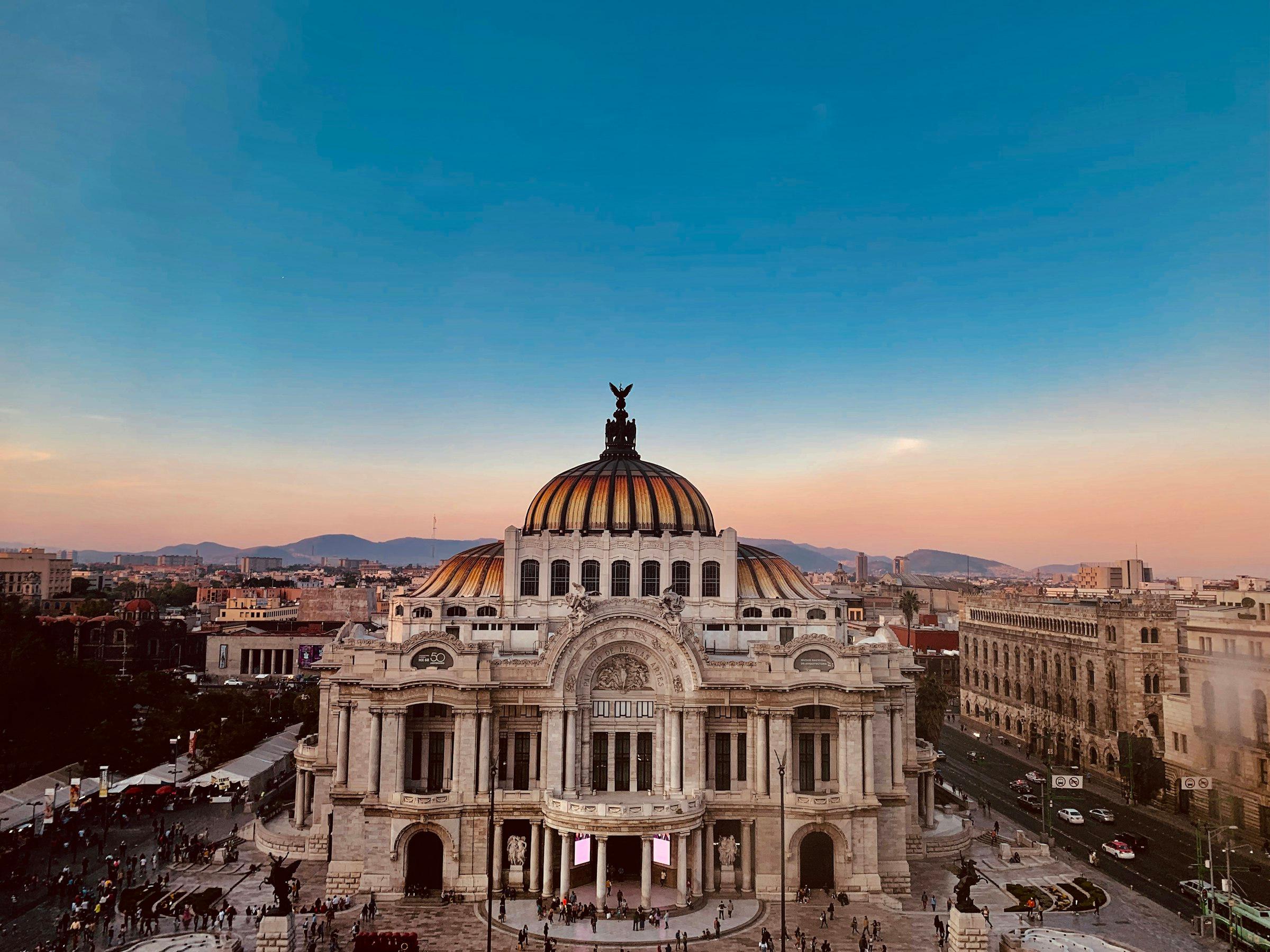
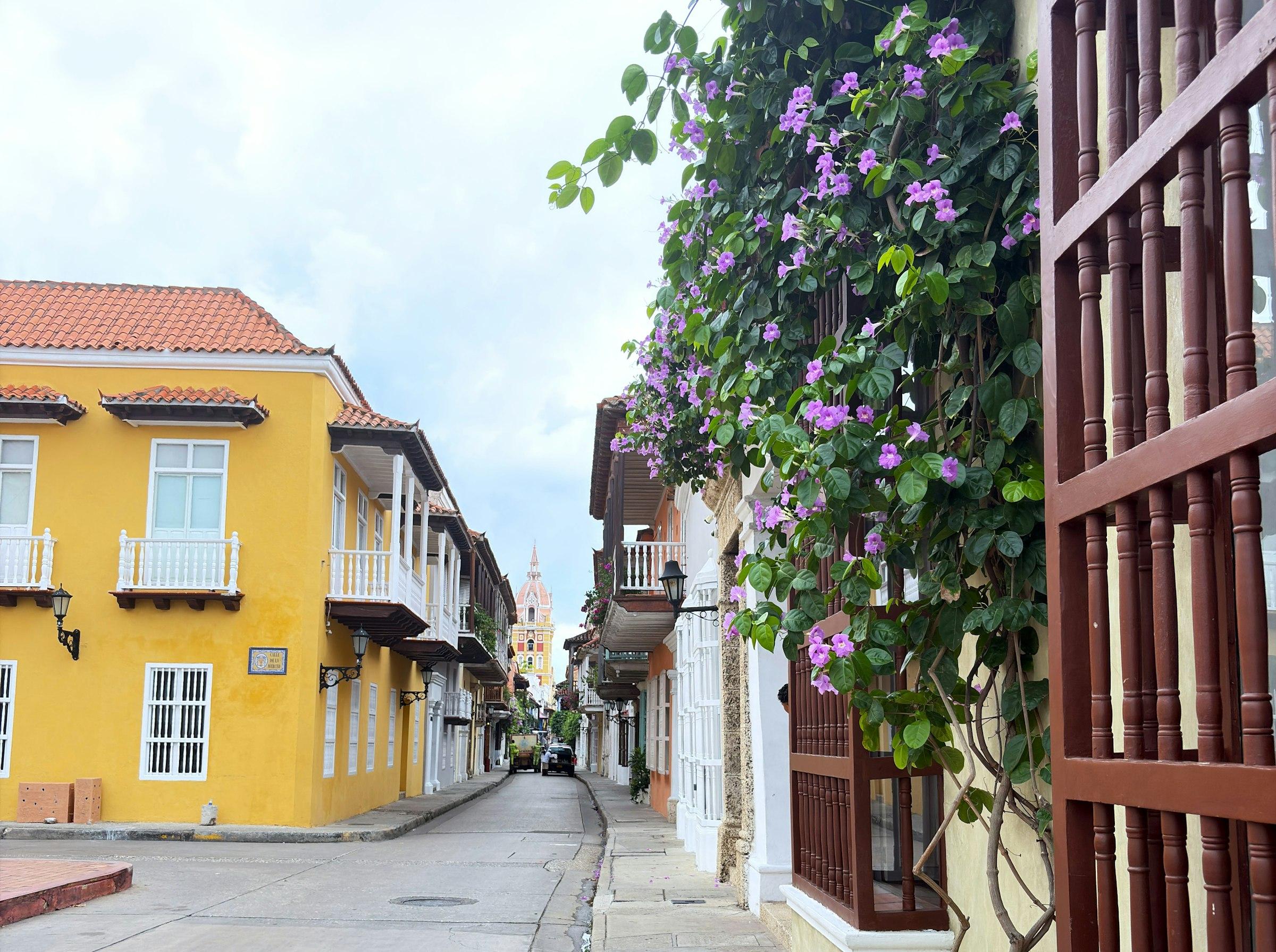
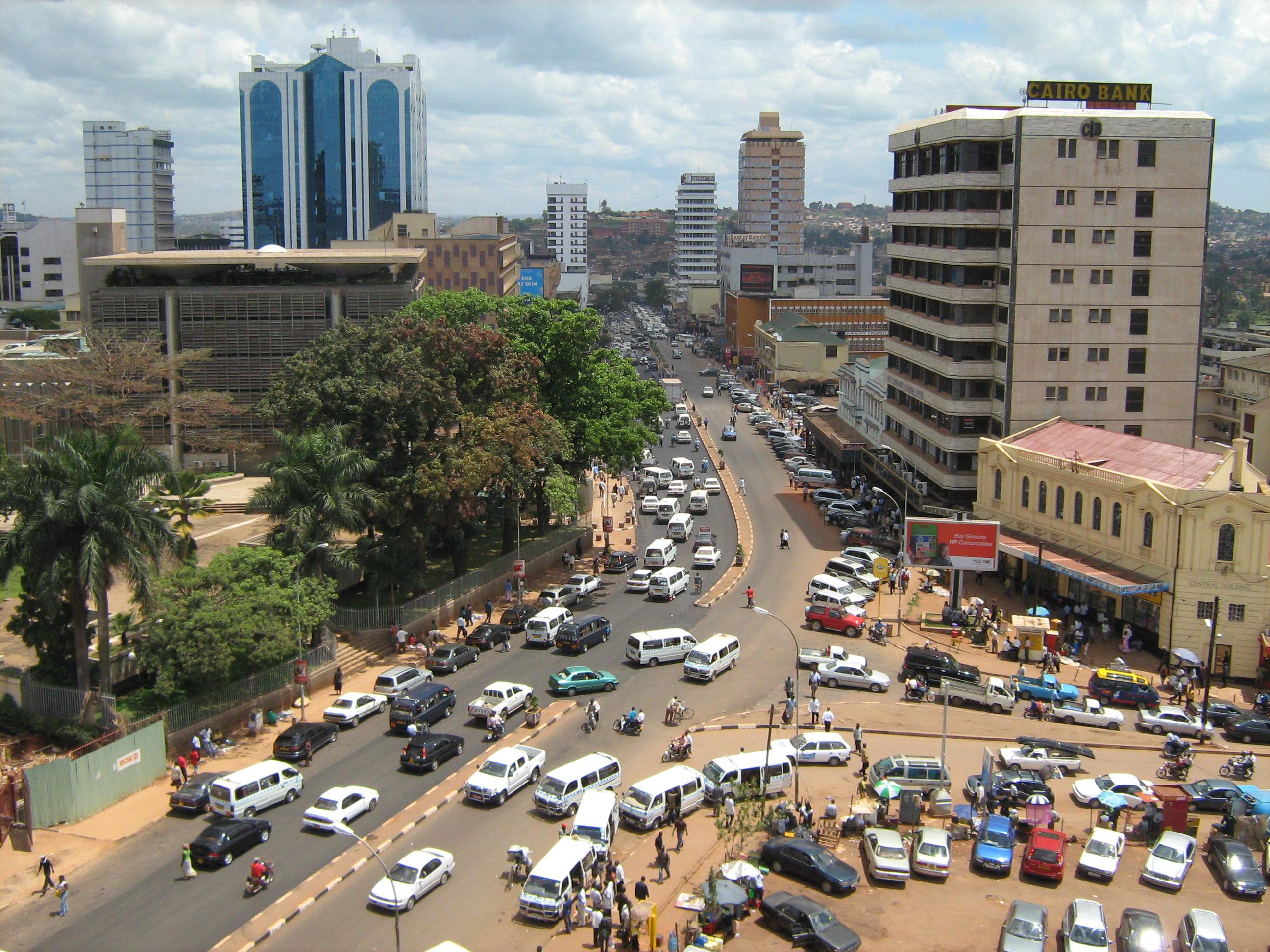
Places like Cape Town
The closest matches in the catalogue, measured across cost, climate, connection and safety — with the reason each one is here. Compare any of them against this page in one click.

How the scores work
Every score runs 0–10 and is comparative — where Cape Town lands across the catalogue, not a grade in isolation.
Cost
5.7#46 of 101 · 1 of 1 measured
What a month costs, from the cheapest way of living here to the dearest we can price.
A month runs €1,460–€1,605 and everyday spending is modelled from national price levels. Across the catalogue that ranks 46th of 101.
Public data 5.7
Work
2.4#89 of 103 · 2 of 2 measured
Connection, desks and whether the working day here meets yours.
Typical downloads run around 28 Mbps and 5 coworking spaces are mapped in town. Across the catalogue that ranks 89th of 103.
Public data 2.7
Public data 2.1
Climate
3.9#91 of 103 · 1 of 1 measured
How the year feels outside, air quality included.
5 of the 12 months sit in the comfortable 18–27 °C range and air pollution is moderate (10.4 µg/m³ PM2.5). Across the catalogue that ranks 91st of 103.
Public data 3.9
Safety
3.9#87 of 103 · 6 of 6 measured
The country-level baseline: violence, healthcare, water, and who the law protects.
The national homicide rate is high (39.72 per 100k), women's safety scores 6.9/10 on the Georgetown index, 70 clinics and hospitals are mapped within reach and tap water is drinkable in most places. Across the catalogue that ranks 87th of 103.
Public data 0.0
Public data 0.3
Public data 6.9
Public data 7.0
Public data 10.0
Public data 8.1
Getting there
6.2#47 of 103 · 3 of 3 measured
Getting in, staying legally, and flying out again.
An EU passport gets 90 visa-free days, there is a dedicated nomad visa and the nearest major airport is 18 km from town. Across the catalogue that ranks 47th of 103.
Public data 7.3
Public data 4.0
Public data 7.0
Going out
5.8#32 of 103 · 4 of 4 measured
Evenings, eating and what there is to do when the laptop closes.
For every 100 restaurants and cafés there are 15 bars, pubs or clubs and 4 vegan-friendly places per 100 restaurants and cafés. Across the catalogue that ranks 32nd of 103.
Public data 4.7
Public data 6.7
Public data 7.6
Public data 4.4
Being active
5.6#42 of 103 · 2 of 2 measured
Gyms and studios, board sports, and the nature within reach.
33 gyms and 5 yoga studios are mapped in town, 34 nature reserves and 32 hiking routes lie within 30 km and it sits on the coast. Across the catalogue that ranks 42nd of 103.
Public data 2.7
Public data 8.5
Community
3.2#9 of 23 · 1 of 1 measured
Members on the ground, chapters and events — our own data, not a proxy.
Public data 3.2
Sources
Every figure on this page carries the source it came from and the date it was measured. Where no source exists, the field is left empty rather than estimated.
- 1
Copernicus ERA5Generated using Copernicus Climate Change Service information
ECMWF’s ERA5 reanalysis, retrieved through Open-Meteo. Temperatures, rainfall, cloud cover and wind are daily values for the last complete calendar year.
- 2
Our own reading of ERA5 data, not a measurement: a month-by-month score for how comfortable the felt temperature is, damped for rain and cloud. The formula is published.
- 3
OpenAQCC BY 4.0
Air quality measured at ground stations. Only reaches part of the catalogue — a city needs a station nearby that is still reporting.
- 4
Copernicus CAMS© ECMWF/Copernicus
Modelled air quality, used only where no ground station exists. A 40km model cell, not a measurement on the corner — the page says which of the two you are looking at.
- 5
OpenStreetMapODbL
Community-mapped places: coworking, cafés, gyms and diet options within 15km. Counts are a floor rather than a census — coverage depends on local mappers.
- 6
M-LabCC BY-SA 4.0
Internet speed from real speed tests run by people in the city, aggregated over a seven-day window.
- 7
OurAirportsPublic domain
Airport locations and types. Distances are to the nearest major airport with scheduled service.
- 8
Inside AirbnbCC BY 4.0
The short-let market price: median nightly rate of entire homes bookable by the month, times thirty, converted to EUR at ECB reference rates. Deliberately not called rent — local leases run cheaper, and member reports correct downward.
- 9
UNODCFree with attribution
Intentional homicide rate from the UN Office on Drugs and Crime — a national figure, because no free source measures crime per city. The year next to the number is the year the country last reported.
- 10
Prices read by hand from the operator’s or authority’s own published price list — a transit tariff, a coworking rate card, an eSIM store — on the date shown. Checked quarterly; the linked page is the source.
- 11
World BankCC BY 4.0
Price level of household consumption at market exchange rates (US = 100) — a national figure that anchors the cost score where no city-level source exists yet. It measures what arriving with foreign income feels like, which is why a weak currency lowers it.
- 12
Hand-maintained country tables for the LGBTQ+ legal position and tap-water safety, compiled from advocacy databases (ILGA World, Human Dignity Trust), national authorities and government travel advice, and scored with a published rubric. Country-level by nature — city reality can differ, which is what the practical note is for.
- 13
WikidataCC0
Structural facts taken from the place’s Wikidata entity — resident population, which mirrors a national census figure, and elevation above sea level. The year is the one Wikidata records for that figure; where the entity was the wrong scale for the place we describe, the number has been replaced by a hand-sourced one from the statistics office instead.
- 14
Figures reported in the app by people living there, shown as a median with outliers removed. The only source for costs, because no free public one measures them per city.
- 15
Government sources
Visa and entry rules come from the responsible authority for each country, linked in the visa section and re-checked by hand on the date shown.
Frequently asked questions
How much does it cost to live in Cape Town per month?
Between €1,460 and €1,605 a month, housing and everyday spending together. Housing is your own place at €1,081. Everyday spending — food, local transport, leisure — is modelled from national price levels rather than measured in the city, so it is an indication and not a quote. A coworking desk is extra at €135. Every figure carries its source on the destination page.
How fast is the internet in Cape Town?
Median download speed is about 28 Mbps. Source: M-Lab median of 77,018 tests within 50 km, last 7 days.
What visa do I need for Cape Town?
90 days visa-free for most EU passports plus US, UK, Canada and Australia. The Remote Work Visitor Visa — gazetted October 2024, operational since March 2025 — is the serious long-stay route: R650,796 gross a year, issued for anything over three months up to three years. Last checked 2026-07-29. Always confirm with the official source before booking.
What is the weather like in Cape Town?
Winters average 13 °C and summers 21.1 °C. 5 of 12 months average a comfortable 18–27 °C (felt temperature). Source: Copernicus ERA5, 2025 annual average.
Can I work European or US hours from Cape Town?
A 09:00–17:00 working day in Cape Town overlaps 7 hours with Central European time and 1 hours with US Eastern time, at standard time.
Are there coworking spaces in Cape Town?
5 coworking spaces are mapped in Cape Town, plus 251 cafés to work from. Source: OpenStreetMap, within 15km. Counts are a floor, not a census — coverage depends on local mappers.
How do you get to Cape Town?
The nearest major airport is about 18 km away. 1 airport with scheduled service within 100 km. Source: OurAirports — nearest major airport is Cape Town International Airport.
Last reviewed July 29, 2026. Every figure carries its own measurement date; hover a footnote for the source, or see the list above.