

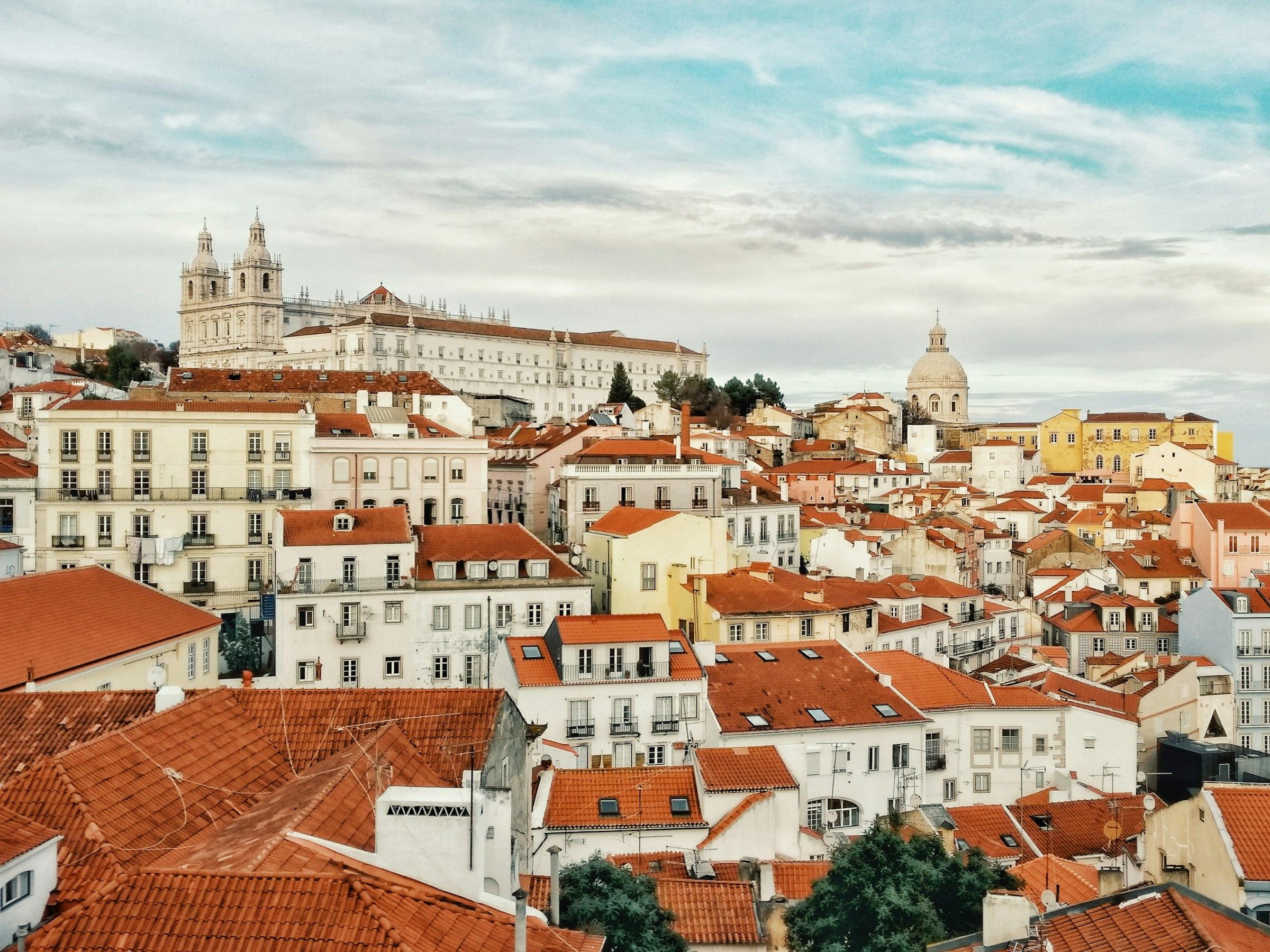
🇵🇹Lisbon for Digital Nomads
Portugal · Sunny & social
Photo: Liam McKay / Unsplash
Costs
from €1,272/mo
Wifi
43Mbps
Mild months
5of 12
Safety
8.1
Overall
6.3
Lisbon at a glance
Lisbon is the default European base for a reason: it is warm for most of the year, English gets you a long way, and Portugal runs two separate remote-work visas rather than making you improvise. The nomad scene is large and easy to walk into.
The catch is that everyone else worked this out too. Rents in the central neighbourhoods have risen sharply and the tourist-heavy districts can be exhausting to live in rather than visit. Lisbon rewards people who stay long enough to move slightly out of the centre.
It suits you if you want a soft landing in Europe with a ready-made community. It suits you less if your budget assumes 2019 prices, or if you need a quiet flat on a short lease.
What works
- Five months a year in the 18–27 °C comfort band — in Europe only Tarifa and the Atlantic islands do better
- Two official remote-work visa routes, including one that leads to residence
- Very clean air: 6.3 µg/m³ PM2.53 (source: OpenAQ — median of 1 station, June 2026)
- Dense coworking market with day passes, so you can try before committing
Worth knowing
- Central rents have risen faster than local wages, and short-let supply distorts the market
- AIMA appointment waits are a real planning problem, not a formality
- The hills are not a joke — check what floor a flat is on, and whether there is a lift
- Tourist districts get loud and stay loud in summer
Living in Lisbon
Neighbourhoods, finding a place and getting around — the practical layer the data tiles below cannot carry. Working, money, people and time off live in their own sections.
Where to stay
Lisbon is small enough to walk and hilly enough that you will not want to. Pick a neighbourhood by the tradeoff you are willing to make.
- Cais do Sodré and Chiado — central, well connected, and where most of the coworking sits. You pay for that and you hear the nightlife.
- Príncipe Real — quieter, leafier, and the most expensive of the central options. Good if you are staying months rather than weeks.
- Graça and Alfama — the postcard Lisbon, steep and beautiful, with the oldest housing stock. Charming to visit, harder to live in: expect stairs, noise from tuk-tuks, and flats that were not built for a desk.
- Arroios and Anjos — a short metro ride out, noticeably cheaper, and where a lot of longer-term residents end up. Less pretty, more liveable.
- Marvila and Beato — the eastern industrial strip, still converting. Cheapest of the lot, thinnest on transport.
We recommend spending your first two weeks somewhere central and short-term, then signing a longer lease once you know which hill you are willing to climb daily.
Finding a place
The short-let market is heavily geared to tourists, which means the price you see in July is not the price a resident pays. Longer commitments move the number a lot.
Coliving is well established here and is usually the fastest route in — it solves the deposit, the utilities and the first month of not knowing anybody in one go. Local rental portals and the larger Facebook housing groups cover the traditional market, but move quickly and expect to view in person.
We do not publish rent figures for Lisbon yet, because no free public source measures what residents actually pay — only what short lets ask. The numbers on this page come from members reporting what they pay. If you are here, add yours in the Nomadbase app.
Getting around
The metro covers the spine of the city and is the fastest way across it. Buses and the historic trams fill the gaps, and the trams are genuinely useful transport rather than only a ride — line 28 is both, which is why it is always full.
The rechargeable navegante card is the sane way to pay; buying single tickets on board costs noticeably more. Rides are cheap enough that the bigger cost is time, and the hills mean walking distances on a map understate the effort. Cycling is only pleasant along the river.
Cost of living
#84of 101 destinations
€1,272–€2,974/mo
a coliving room to a place of your own, plus everyday spending
What a month actually costs, as a range — housing you can verify, everyday spending modelled from national price levels, and every line labelled with which it is.
Money
Cards work almost everywhere, including for small amounts. Multibanco is the domestic network and is worth knowing about: the blue Multibanco ATMs generally do not charge foreign-card surcharges, while the standalone ATMs in tourist areas (usually branded Euronet) do, and their on-screen conversion offer is always worse than letting your own bank convert. Decline the conversion.
Tipping is modest — rounding up, or roughly 5–10% for good service in a restaurant.
- Housing — coliving room to own place, short-let market
- €800 – €2,323
- Food, groceries and eating outmodelled
- €269 – €381
- Local transport
- €30
- Leisuremodelled
- €163 – €230
- Mobile data
- €10
- Coworking deskadd-on, not in the range
- €220/mo9 (source: Published prices — Avila Spaces, Second Home & LACS hot-desk rates (median), Avila from €200, Second Home €220 +VAT, LACS €220 +VAT, checked 2026-07-29)
- Short-let market, whole flat
- €3,291/mo7 (source: Inside Airbnb — market price (median of 649 monthly entire-home listings), Q2/2026)
- whole-home short-let listings, not a nomad's room
Spot prices: coliving room €800/mo9 (source: Published prices — Outsite Cais do Sodré, private room, winter promo from-rate; standard rate unpublished, checked 2026-07-29) · 3-star hotel €97/night9 (source: Published prices — median of 3 listed 3-star rates (Booking.com), mid-Aug 2026, Ikonik €97, AS Lisboa €128, Masa €84; OTA rates incl. taxes, checked 2026-07-29) · café latte €3.409 (source: Published prices — Starbucks Chiado latte (delivery menu), delivery-platform price; counter price may run lower, checked 2026-07-29) · Big Mac €6.149 (source: Published prices — The Economist Big Mac Index, Euro-area average (6.19 EUR = 7.08 USD), July 2026 release — data CC BY 4.0)
Work
#14of 103 destinations
43Mbps
median download, measured in the city
Connection, desks and whether a day here meets yours — the three things that decide whether you can do your job from this city.
Working from here
The coworking market is dense and competitive, which is good for you: most spaces sell day passes, so trying three before committing costs little.
As a reference point, Second Home at the Time Out Market in Cais do Sodré publishes €220 per month plus VAT for an unlimited roaming desk, €325 plus VAT for a dedicated one, and €25 plus VAT for a day pass (operator's own pricing page, checked July 2026). That sits mid-market — there are cheaper spaces further from the centre and more expensive ones with better meeting rooms.
Café work is normal and tolerated in Lisbon, though the very central ones fill with tourists by mid-morning.
Internet
Coliving & coworking
CoworkingClick the map to open it — 55 places mapped in Lisbon altogether.
- Coworking spaces mapped
- 384 (source: OpenStreetMap — within 15km)
- Cafés mapped
- 2,3554 (source: OpenStreetMap — within 15km)
Time zones
- Workday overlap with Europe
- 7 of 8 h1 (source: Copernicus ERA5 — Nomadbase overlap of a 09:00-17:00 day against Open-Meteo time zone (Europe/Lisbon), standard time; Europe reference UTC+1)
- 0 h8 h
- Workday overlap with US East
- 3 of 8 h1 (source: Copernicus ERA5 — Nomadbase overlap of a 09:00-17:00 day against Open-Meteo time zone (Europe/Lisbon), standard time; US East reference UTC-5)
- 0 h8 h
Overlap is the hours a 09:00–17:00 day here meets a 09:00–17:00 day there, at standard time.
Climate & air
#5of 103 destinations
5of 12
mild months — felt temperature between 18 and 27 °C
Month by month, not as one annual average. 18–27 °C is the range where being outside feels good — we count how much of the year sits inside it.
Seasons
Lisbon's weather is Atlantic, not Mediterranean, and the difference is the wind. Summers are bright and rarely oppressive because the ocean breeze does the air conditioning; the price is that evenings cool off fast, and a warm day does not promise a warm night. Carry a layer, whatever the month — locals do.
The catch nobody warns you about is winter indoors. Rain arrives in bursts between November and February, which is manageable; much of the older housing stock has no central heating and thin windows, which is not. In January the coldest room in Lisbon is often your own — before you sign a winter lease, ask how the flat is heated.
Spring and autumn are the sweet spot: terrace weather, thinner crowds, and the low golden light the city is famous for.
Tap a month for details.
feels-like monthly mean · ticks = rain days1 (source: Copernicus ERA5 — 2025 monthly means (felt temperature, rain-day share, cloud share))
comfortable & clearcomfortable, wetter/greyeroutside the 18–27 °C band
- Air quality — PM2.5, recent median
- 6.3 µg/m³ · fair3 (source: OpenAQ — median of 1 station, 2026-06-14)
- 0WHO 525+
- Dry days a year
- 267 days/year1 (source: Copernicus ERA5 — 2025 full-year count)
- Cloud cover, annual mean
- 47%1 (source: Copernicus ERA5 — 2025 annual average)
The climate score is built from that band plus rain and cloud cover, month by month — so a hot summer costs a destination points rather than earning them.
Safety & everyday life
#1of 103 destinations
8.8/ 10
women's safety — Georgetown WPS index, country level
Country-level indicators — a practical baseline for the whole country, not the vibe of one neighbourhood. Community reports refine this picture over time.
Staying safe
Lisbon is one of the calmer capitals in Europe, and violent crime is not something you plan a day around. The risks that do exist are small, specific and easy to manage.
Pickpocketing is the real one. Tram 28, the Baixa and any crowded miradouro at sunset are working environments for professionals — phone out of the back pocket, bag zipped, done. The men murmuring "hash, coke" around the tourist core are a fixture rather than a threat: what they sell is mostly fake, and a flat no ends the conversation.
The likeliest thing to hurt you is the pavement. The polished limestone cobbles turn slick as ice in rain, and the hills make every descent a commitment. Shoes with grip are not a style choice here.
- Homicide rate, national
- 0.7 per 100k8 (source: UNODC — intentional homicide rate for Portugal, 2023)
- Safety for women
- 8.8 / 10
- 010
Georgetown WPS index — inclusion, justice and security, country level
- Getting by in English
- 8.5 / 10
- 010
very high English proficiency
LGBTQ+ legal position · Portugal11 (source: Nomadbase country research — checked 2026-07-29)
10.0 / 10- Same-sex relationshipsLegal
- Partnership recognitionMarriage
- Employment protectionsYes
- Legal gender changePossible
8 queer venues mapped in the city · ≈ 1.5 per 100k residents4 (source: OpenStreetMap — within 15km)
Marriage since 2010 and gender self-determination since 2018; consistently among Europe’s most LGBTQ-friendly countries, with Lisbon and Porto scenes matching the legal position.
Tap water · Portugal11 (source: Nomadbase country research — checked 2026-07-29)
10.0 / 10Unsafe
Bottled advised
Mostly fine
Drink the tap
Safe to drink nationwide
Officially potable nationwide — the regulator ERSAR reports 98.86% "safe water" at the tap in mainland Portugal, a level it rates as excellent.
Getting there & staying
#4of 103 destinations
no limit
visa-free on an EU passport · set in Your setup
How you get in, how long you may stay, and what it takes to run a business from here.
Visa & entry requirements
Digital nomad visa
D8 residence visa (and the temporary stay visa)14 (source: Government sources — Dedicated remote-work visa: D8 residence visa (and the temporary stay visa) (checked 2026-07-27))
EU citizens can stay indefinitely; visa-exempt non-EU travellers get 90 days in any 180 across the Schengen area. Portugal is one of the few countries with two separate remote-work visas — a temporary stay visa for under a year, and the D8 residence visa that leads to a residence permit.14 (source: Government sources — checked against the official source on July 27, 2026)
How long you can stay
- EU, EEA and Swiss citizens: no limit. You may need to register locally after a few months.
- Visa-exempt non-EU travellers (US, UK, Canada, Australia and others): 90 days within any 180-day period. That allowance is shared across the whole Schengen area, not per country — days spent in Berlin count against days in Lisbon.
- Everyone else needs a Schengen visa before travelling.
Since 10 April 2026 the EU Entry/Exit System (EES) records every crossing biometrically at all air, land and sea borders, so the 90/180 count is now tracked automatically rather than by passport stamp.
Staying longer as a remote worker
The official visa list names two distinct categories for "the exercise of a professional activity done remotely – digital nomads", and the difference matters:
- Temporary stay visa — for stays under one year. Simpler, but it does not lead to residence.
- Residence visa (commonly called D8) — valid four months and two entries. Inside that window you apply to AIMA for the residence permit itself. The first permit runs two years and can be renewed for three more.
The income threshold is set at four times the Portuguese national minimum wage, which puts it around €3,680 per month for 2026, plus savings in the order of €11,000. AIMA applies the threshold in force at the date of your appointment, not the date you filed — so a January increase can move the bar underneath you.
AIMA replaced SEF as the authority for residence permits. Guides that still send you to SEF are out of date.
Visa rules change frequently. This information was last checked on July 27, 2026. It is not legal advice — confirm before booking with the official source.
Flights
The nearest major airport — Lisbon Humberto Delgado Airport — is 7 km6 (source: OurAirports — nearest major airport is Lisbon Humberto Delgado Airport) out, with 2 airports6 (source: OurAirports — major and regional airports with scheduled service) within 100 km overall.
Company & banking
- Setting up a company
- 8.5 / 10
- 010
partly remote · 100% foreign ownership · no real minimum capital · ~2 days to register
- Opening an account
- 8.0 / 10
- 010
personal account straightforward · business account straightforward · branch visit needed · Wise + Revolut
Setting up, in practice
"Empresa na Hora" registers a company in a single appointment; a Lda needs only 1 EUR per shareholder in capital. You need a NIF first, which a non-resident gets through a fiscal representative.Banking, in practice
Account opening is straightforward with a NIF and proof of address, but expect in-person appointments and account maintenance fees that surprise people used to free banking.Not legal or tax advice. Company law, fees and bank policy change without notice — confirm with the registry linked on each figure and with a local adviser before you act on any of it.
Going out
#52of 103 destinations
9.5/ 100
bars, pubs and clubs per 100 restaurants & cafés
Evenings, eating and what there is to do once the laptop closes.
Time off
Sintra is a short train ride and worth a full day. The Atlantic beaches at Costa da Caparica and along the Cascais line are reachable within the hour, and the surf schools there run year-round. For a longer break, the Alentejo starts about two hours south and is the emptiest coastline in western Europe.
CafésClick the map to open it — 55 places mapped in Lisbon altogether.
- Restaurants
- 4,0734 (source: OpenStreetMap — within 15km)
- mapped within 15 km — the base the shares below are measured against
Being active
#3of 103 destinations
240spots
gyms and yoga studios mapped in town
Gyms, studios and board sports in town, and the nature within reach — counted where counting is honest, shown as a badge where the map is too sparse to rank.
Staying active
Surf is the anchor, and you do not have to travel far for it: the beach breaks at Caparica and along the Cascais line are forgiving enough to learn on, and Ericeira, a World Surfing Reserve, is close enough for a day trip. If you have always meant to learn, this is one of the easier places in Europe to start.
The city itself counts as training — the hills will find your calves in the first week. Runners head to the riverfront: the flat path from Cais do Sodré out to Belém is the default route, long, level and impossible to lose. Gyms are easy to find, and the yoga studios in the central neighbourhoods are used to English-speaking drop-ins.
In town
GymsYogaSurf spotsKitesurf spotsClick the map to open it — 55 places mapped in Lisbon altogether.
Nature within reach
Community
1here now
members checked in right now
Who is here, who is coming, and who has been. Counts only — never names.
Meeting people
This is the easiest part of Lisbon. The nomad community is large, long-established and used to newcomers, and most coworking spaces run their own events. Between those, the surf and language-exchange scenes, and the Nomadbase members already here, a first week with nothing in the calendar is a choice rather than a fate.
here now
arriving soon
have been
See who they are, message them and join local meetups in the Nomadbase app.
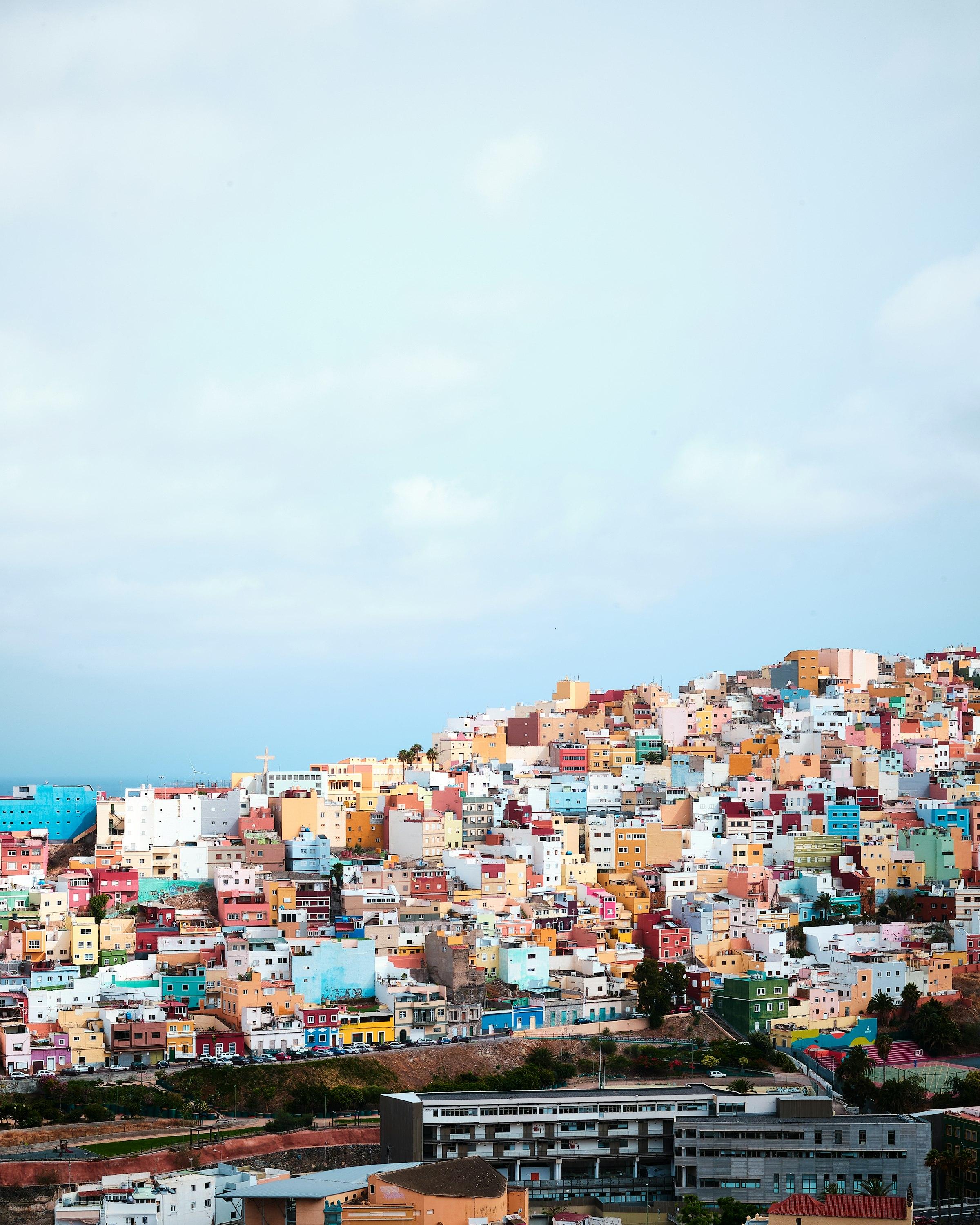
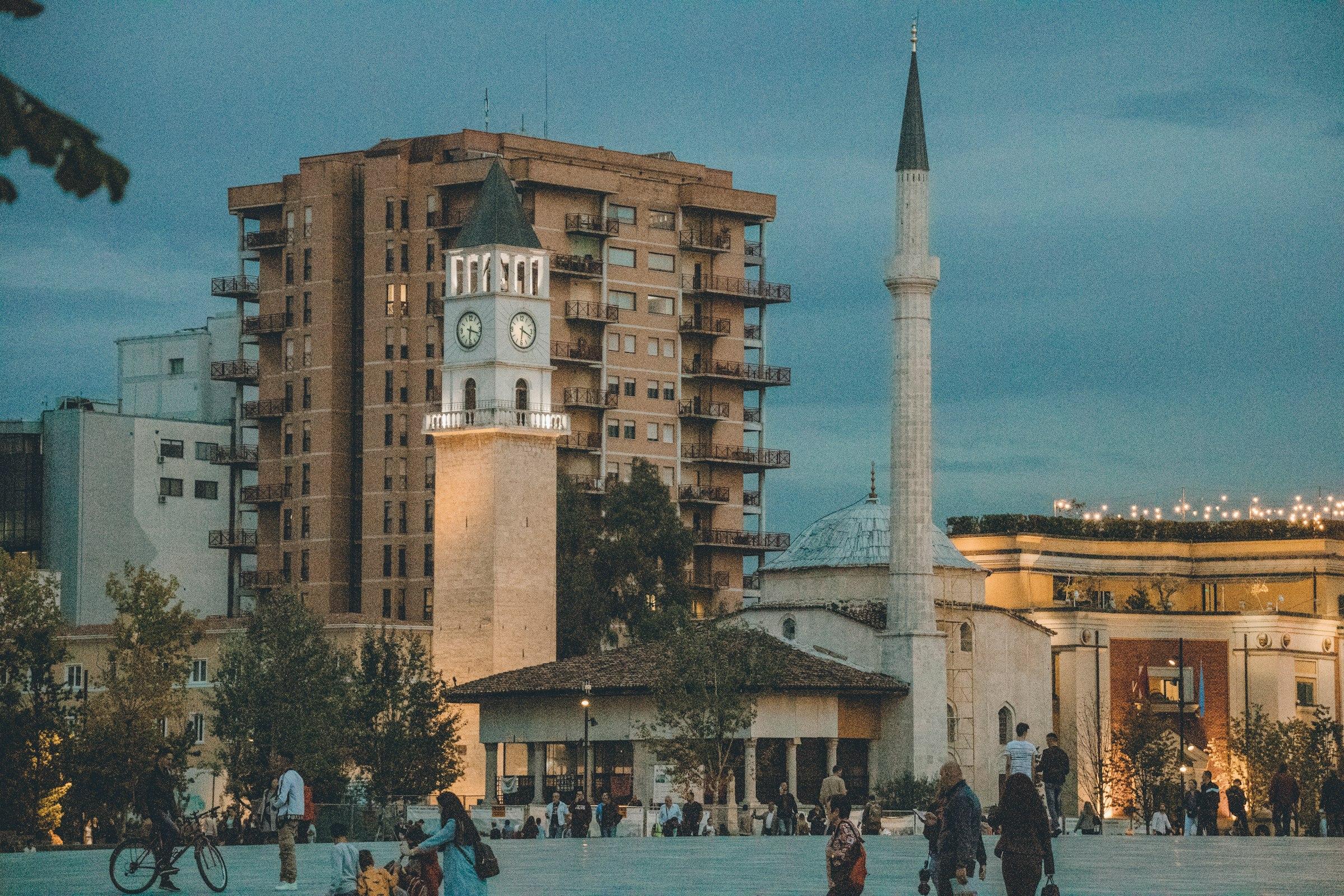
Places like Lisbon
The closest matches in the catalogue, measured across cost, climate, connection and safety — with the reason each one is here. Compare any of them against this page in one click.


How the scores work
Every score runs 0–10 and is comparative — where Lisbon lands across the catalogue, not a grade in isolation.
Cost
1.8#84 of 101 · 1 of 1 measured
What a month costs, from the cheapest way of living here to the dearest we can price.
A month runs €1,272–€2,974 and everyday spending is modelled from national price levels. Across the catalogue that ranks 84th of 101.
Public data 1.8
Work
7.4#14 of 103 · 2 of 2 measured
Connection, desks and whether the working day here meets yours.
Typical downloads run around 43 Mbps and 38 coworking spaces are mapped in town. Across the catalogue that ranks 14th of 103.
Public data 5.5
Public data 9.3
Climate
8.2#5 of 103 · 1 of 1 measured
How the year feels outside, air quality included.
5 of the 12 months sit in the comfortable 18–27 °C range and the air is clean (6.3 µg/m³ PM2.5). Across the catalogue that ranks 5th of 103.
Public data 8.2
Safety
8.9#1 of 103 · 6 of 6 measured
The country-level baseline: violence, healthcare, water, and who the law protects.
Violent crime is rare nationwide (0.71 homicides per 100k), women's safety scores 8.8/10 on the Georgetown index, 509 clinics and hospitals are mapped within reach and tap water is drinkable. Across the catalogue that ranks 1st of 103.
Public data 8.1
Public data 9.2
Public data 8.8
Public data 10.0
Public data 10.0
Public data 8.5
Getting there
8.5#4 of 103 · 3 of 3 measured
Getting in, staying legally, and flying out again.
An EU passport can stay without a time limit, there is a dedicated nomad visa and the nearest major airport is 7 km from town. Across the catalogue that ranks 4th of 103.
Public data 8.7
Public data 8.4
Public data 8.3
Going out
4.9#52 of 103 · 4 of 4 measured
Evenings, eating and what there is to do when the laptop closes.
For every 100 restaurants and cafés there are 10 bars, pubs or clubs and 2 vegan-friendly places per 100 restaurants and cafés. Across the catalogue that ranks 52nd of 103.
Public data 2.6
Public data 7.0
Public data 4.5
Public data 5.6
Being active
8.2#3 of 103 · 2 of 2 measured
Gyms and studios, board sports, and the nature within reach.
210 gyms and 30 yoga studios are mapped in town, 94 nature reserves and 90 hiking routes lie within 30 km, it sits on the coast and the wind is kiteable on 43 days a year. Across the catalogue that ranks 3rd of 103.
Public data 7.0
Public data 9.4
Community
3.2#9 of 23 · 1 of 1 measured
Members on the ground, chapters and events — our own data, not a proxy.
1 member is in Lisbon right now. Across the catalogue that ranks 9th of 23.
Public data 3.2
Sources
Every figure on this page carries the source it came from and the date it was measured. Where no source exists, the field is left empty rather than estimated.
- 1
Copernicus ERA5Generated using Copernicus Climate Change Service information
ECMWF’s ERA5 reanalysis, retrieved through Open-Meteo. Temperatures, rainfall, cloud cover and wind are daily values for the last complete calendar year.
- 2
Our own reading of ERA5 data, not a measurement: a month-by-month score for how comfortable the felt temperature is, damped for rain and cloud. The formula is published.
- 3
OpenAQCC BY 4.0
Air quality measured at ground stations. Only reaches part of the catalogue — a city needs a station nearby that is still reporting.
- 4
OpenStreetMapODbL
Community-mapped places: coworking, cafés, gyms and diet options within 15km. Counts are a floor rather than a census — coverage depends on local mappers.
- 5
M-LabCC BY-SA 4.0
Internet speed from real speed tests run by people in the city, aggregated over a seven-day window.
- 6
OurAirportsPublic domain
Airport locations and types. Distances are to the nearest major airport with scheduled service.
- 7
Inside AirbnbCC BY 4.0
The short-let market price: median nightly rate of entire homes bookable by the month, times thirty, converted to EUR at ECB reference rates. Deliberately not called rent — local leases run cheaper, and member reports correct downward.
- 8
UNODCFree with attribution
Intentional homicide rate from the UN Office on Drugs and Crime — a national figure, because no free source measures crime per city. The year next to the number is the year the country last reported.
- 9
Prices read by hand from the operator’s or authority’s own published price list — a transit tariff, a coworking rate card, an eSIM store — on the date shown. Checked quarterly; the linked page is the source.
- 10
World BankCC BY 4.0
Price level of household consumption at market exchange rates (US = 100) — a national figure that anchors the cost score where no city-level source exists yet. It measures what arriving with foreign income feels like, which is why a weak currency lowers it.
- 11
Hand-maintained country tables for the LGBTQ+ legal position and tap-water safety, compiled from advocacy databases (ILGA World, Human Dignity Trust), national authorities and government travel advice, and scored with a published rubric. Country-level by nature — city reality can differ, which is what the practical note is for.
- 12
WikidataCC0
Structural facts taken from the place’s Wikidata entity — resident population, which mirrors a national census figure, and elevation above sea level. The year is the one Wikidata records for that figure; where the entity was the wrong scale for the place we describe, the number has been replaced by a hand-sourced one from the statistics office instead.
- 13
Figures reported in the app by people living there, shown as a median with outliers removed. The only source for costs, because no free public one measures them per city.
- 14
Government sources
Visa and entry rules come from the responsible authority for each country, linked in the visa section and re-checked by hand on the date shown.
Frequently asked questions
How much does it cost to live in Lisbon per month?
Between €1,272 and €2,974 a month, housing and everyday spending together, depending on whether you take a coliving room or your own place. Housing is a coliving room at €800 up to your own place at €2,323. Everyday spending — food, local transport, leisure — is modelled from national price levels rather than measured in the city, so it is an indication and not a quote. A coworking desk is extra at €220. Every figure carries its source on the destination page.
How fast is the internet in Lisbon?
Median download speed is about 42.8 Mbps. Source: M-Lab median of 56,755 tests within 50 km, last 7 days.
What visa do I need for Lisbon?
EU citizens can stay indefinitely; visa-exempt non-EU travellers get 90 days in any 180 across the Schengen area. Portugal is one of the few countries with two separate remote-work visas — a temporary stay visa for under a year, and the D8 residence visa that leads to a residence permit. Last checked 2026-07-27. Always confirm with the official source before booking.
What is the weather like in Lisbon?
Winters average 13.2 °C and summers 21 °C. 5 of 12 months average a comfortable 18–27 °C (felt temperature). Source: Copernicus ERA5, 2025 annual average.
Can I work European or US hours from Lisbon?
A 09:00–17:00 working day in Lisbon overlaps 7 hours with Central European time and 3 hours with US Eastern time, at standard time.
Are there coworking spaces in Lisbon?
38 coworking spaces are mapped in Lisbon, plus 2355 cafés to work from. Source: OpenStreetMap, within 15km. Counts are a floor, not a census — coverage depends on local mappers.
How do you get to Lisbon?
The nearest major airport is about 7 km away. 2 airports with scheduled service within 100 km. Source: OurAirports — nearest major airport is Lisbon Humberto Delgado Airport.
Where Lisbon ranks
Last reviewed July 27, 2026. Every figure carries its own measurement date; hover a footnote for the source, or see the list above.