

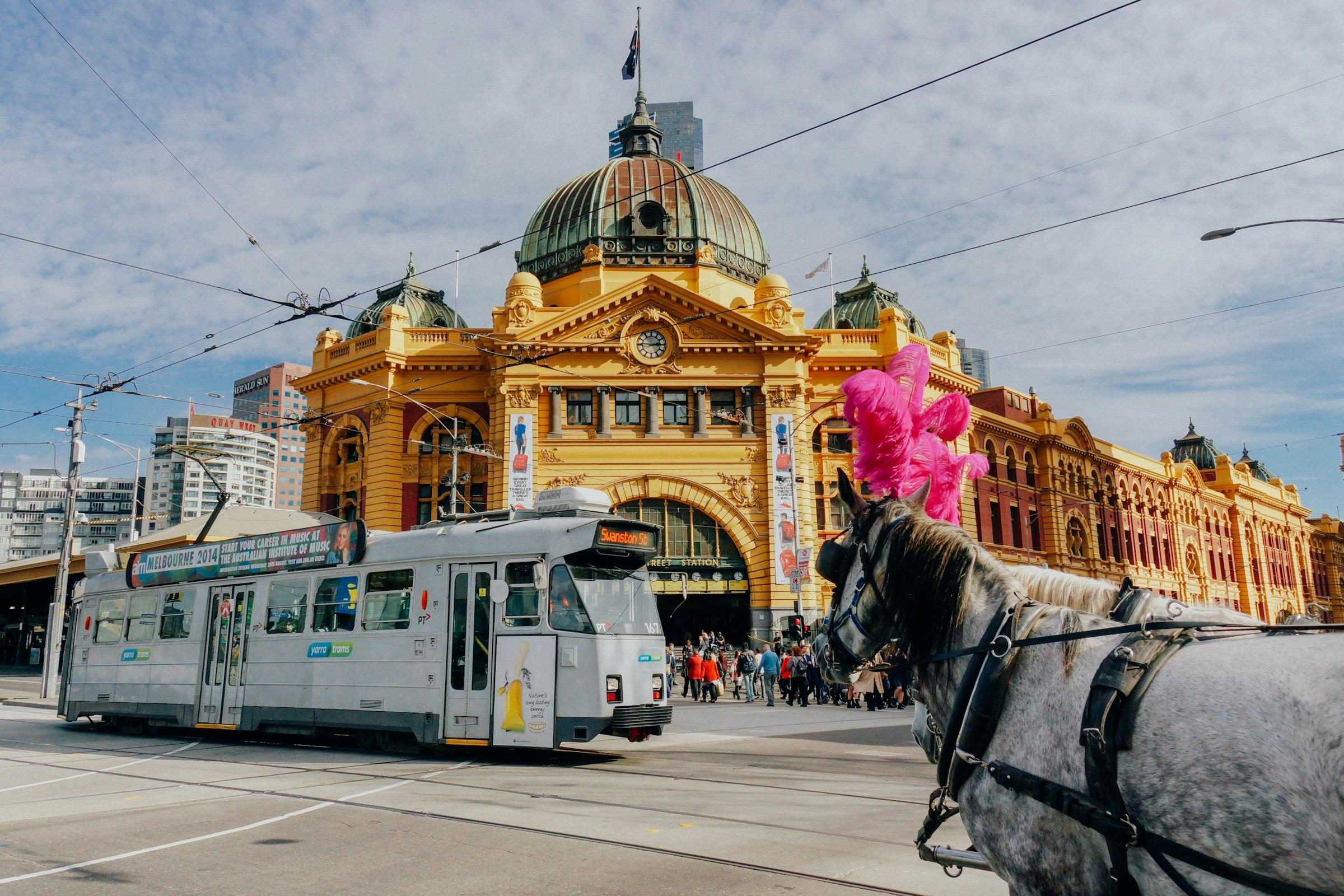
🇦🇺Melbourne for Digital Nomads
Australia · Coffee & liveability
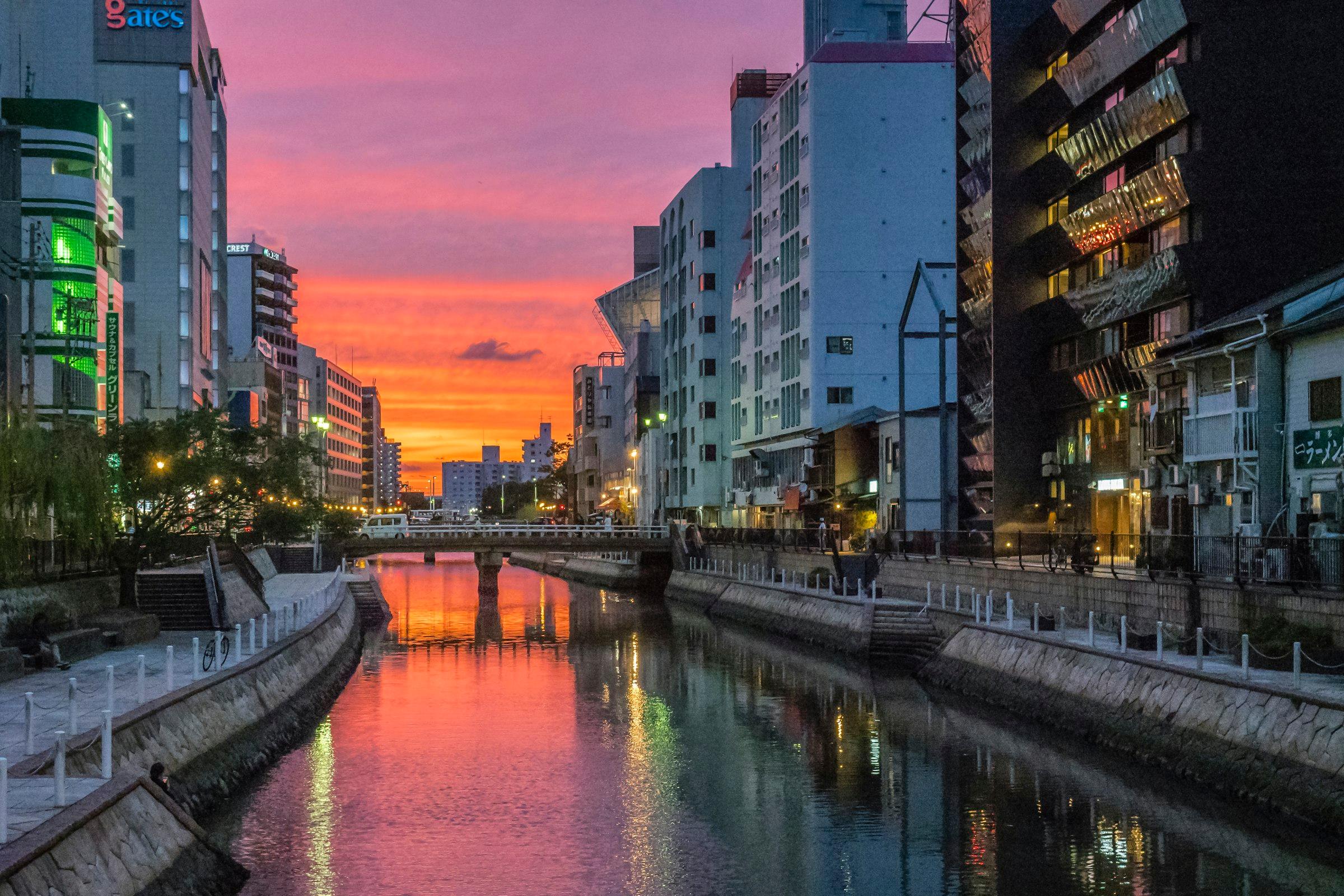
Photo: XY YEW / Unsplash
Costs
from €2,722/mo
Wifi
81Mbps
Mild months
3of 12
Safety
6.4
Overall
5.2
Melbourne at a glance
Melbourne suits one profile better than any other: the remote worker whose income already sits in the Australian or Asian working day. The city has 0 hours of overlap with a 09:00-17:00 European day and 0 with US Eastern1 (source: Copernicus ERA5 — overlap of a 09:00-17:00 day against each reference zone). That is arithmetic, not a scheduling problem you solve in your second week.
What you get in return is a city that functions. There are 34 coworking spaces and 2,124 cafés mapped within 15 km4 (source: OpenStreetMap — July 2026, within 15 km of the centre), the median download is 81.3 Mbps5 (source: M-Lab — median download speed), and the tap water is as good as any we list11 (source: Nomadbase country research — country tap-water tier). Measured per head rather than in raw counts, though, the workspace picture is ordinary rather than exceptional — this is a big city, and the counts partly say so.
Then the bill. Australia's national price level is 94.8 against a US benchmark of 10010 (source: World Bank — price level of household consumption, US = 100), which makes it one of the most expensive countries in this catalogue. Furnished short-let listings are the line that hurts most, priced for visitors rather than for people staying a season.
The weather is a trade-off rather than a selling point. The annual mean is 15.3 °C and the winter mean 10.1 °C1 (source: Copernicus ERA5 — 2025 annual and winter means), with only 3 of 12 months landing in the mild band2 (source: Nomadbase comfort index — months whose mean sits in the mild comfort band, from 2025 data) and 97 rain days a year1 (source: Copernicus ERA5 — 2025). Modelled PM2.5 sits at 7.9 µg/m³3 (source: Copernicus CAMS — modelled annual figure, 2026). Flights are the other soft spot: 4 airports lie within 100 km6 (source: OurAirports — airports within 100 km) and the nearest major one is 19 km out6 (source: OurAirports — distance to the nearest major airport), but long-haul choice is thinner than a city this size suggests.
There is no nomad visa and none planned13 (source: Government sources — checked 2026-07-29). EU, EEA and UK passports use the free eVisitor, US and Canadian ones the ETA at AUD 20, both 3 months per entry across 12 months' validity13 (source: Government sources — eVisitor subclass 651 and ETA subclass 601, checked 2026-07-29), and both reference passports get 90 visa-free days13 (source: Government sources — EU and US reference passports, checked 2026-07-29). All of these are visitor statuses. None authorises work in Australia, so remote work for an overseas employer is a tolerated grey area and not a right.
What works
- Median download 81.3 Mbps5 (source: M-Lab — median download speed)
- 34 coworking spaces and 2,124 cafés mapped within 15 km4 (source: OpenStreetMap — July 2026)
- Drinkable tap water and full legal protection for LGBTQ+ people11 (source: Nomadbase country research — country tap-water tier and legal-position rubric)
- Homicide rate 0.94 per 100k8 (source: UNODC — national rate per 100,000)
Worth knowing
- 0 hours of overlap with a European working day and 0 with US Eastern1 (source: Copernicus ERA5 — overlap of a 09:00-17:00 day against each reference zone)
- National price level 94.8 on a scale where the US is 10010 (source: World Bank — price level of household consumption, US = 100) — one of the dearest countries we list
- Winter mean 10.1 °C1 (source: Copernicus ERA5 — 2025 winter average) and only 3 of 12 months in the mild band2 (source: Nomadbase comfort index — months in the mild comfort band, from 2025 data)
- No nomad visa; visitor status only, with no right to work13 (source: Government sources — checked 2026-07-29)
Living in Melbourne
Neighbourhoods, finding a place and getting around — the practical layer the data tiles below cannot carry. Working, money, people and time off live in their own sections.
Where to stay
Melbourne is a tram city, so where you live is mostly a question of which line you are on.
- Fitzroy and Collingwood — Brunswick, Gertrude and Smith Streets. Plenty of rooms to work in with a laptop, and walking distance to the city grid.
- Carlton and Parkville — Lygon Street and the university edge. Quieter, still central.
- Brunswick, Northcote and Thornbury — Nicholson Street and High Street. Where most of the share-house market sits.
- Richmond and Cremorne — Swan Street, Bridge Road and the studio-and-startup pocket inside the river bend.
- South Yarra, Prahran and Windsor — Chapel Street. Polished, busy, well served by trams.
- St Kilda and Elwood — bay beaches and a direct tram into the centre.
- Footscray, Seddon and Yarraville — the inner west, strong Vietnamese and East African eating, a short train ride from Southern Cross.
- CBD, Southbank and Docklands — towers and serviced apartments. Convenient and characterless; Docklands empties after work.
Finding a place
Expect this to be the hard part of arriving.
- Long leases through an agent are the default, and agents ask for rental history, employment references and local income. Arriving with none of those is the usual wall.
- Share houses are the realistic route in. Flatmate listing sites and neighbourhood Facebook groups turn over constantly, and rooms usually come furnished.
- Inspections run in batches at fixed times, applications go through online portals, and bonds are lodged with the state bond authority rather than held by the landlord.
- The housing stock is old and thinly insulated. Ask what the heating is, and whether it works, before you sign.
- Check the tram or train stop before you check the photos. A flat a few streets off a line behaves very differently from one on it.
Getting around
- Get a myki card on day one; the whole public network runs on it.
- Trams cover the inner suburbs, and the CBD grid is a free tram zone, so moving between city work spots during the day costs nothing. Metro trains handle the longer runs, buses fill the gaps, and the Night Network runs late on Friday and Saturday.
- The airport has no rail link. Skybus from Southern Cross Station is the standard run, otherwise a taxi or rideshare.
- The inner city is flat and the bike-lane network is connected. The Capital City Trail and the Merri Creek path get you across town away from traffic.
- V/Line trains from Southern Cross reach the regional towns without a car.
Cost of living
#96of 101 destinations
€2,722–€2,950/mo
a coliving room to a place of your own, plus everyday spending
What a month actually costs, as a range — housing you can verify, everyday spending modelled from national price levels, and every line labelled with which it is.
Money
- The currency is the Australian dollar and card or phone payment is assumed almost everywhere. Card surcharges are normal and posted at the counter.
- Tipping is not expected. Rounding up is a choice, not social pressure.
- Opening a local bank account needs a residential address, so most short-stayers keep running a multi-currency card instead.
- Tap water is excellent. Bottled water is a habit you can drop on arrival.
- Own place, short-let market
- €2,098
- Food, groceries and eating outmodelled
- €355 – €503
- Local transport
- €58
- Leisuremodelled
- €194 – €274
- Mobile data
- €17
- Coworking deskadd-on, not in the range
- €229/mo9 (source: Published prices — WOTSO Melbourne / Christie Spaces 454 Collins St / Hub Australia — median of 3 published monthly hot-desk rates with 24/7 access (375 AUD), Published strings: WOTSO Melbourne "COWORKING DESK from $330 / month" (site footnote "*All prices are inclusive of GST"), Christie Spaces 454 Collins "Hot Desk From $375 / month" with "24/7 access & on-site support" (no GST statement), Hub Australia "Flexi Unlimited: $459/month" with 24/7 clubhouse access ("Pricing varies by membership type and excludes GST"). Median of [330, 375, 459] = 375. GST TREATMENT IS MIXED — normalised to GST-inclusive the sample is [330, 375, 504.90] and the median is unchanged at 375. All three are "from" prices, so this is a floor. Excluded: The Cluster "Part Time Hot Desk $400" (business hours only), CreativeCubes 10/20-day bundles, dedicated desks (Hub from $600pp), day passes (WOTSO $66, Hub $69) and private offices., checked 2026-07-30)
- Short-let market, whole flat
- €3,119/mo7 (source: Inside Airbnb — market price (median of 235 monthly entire-home listings), Q2/2026)
- whole-home short-let listings, not a nomad's room
Spot prices: 3-star hotel €58/night9 (source: Published prices — Booking.com, 3-star Melbourne, night 12-13 Aug 2026, 2 adults, Filter verified programmatically (the "3 stars" checkbox read checked=true; heading "Melbourne: 146 properties found"). Median of the first 3 listed, each "Includes taxes and fees": YTI Garden Hotel EUR 49 (CBD, 150 m from downtown), ibis Budget Melbourne CBD EUR 58 (carried a paid-placement disclosure), ibis Styles Kingsgate EUR 68. Mid-August is Melbourne winter and low season., checked 2026-07-30) · ride-hailing ~5 km €9.42/ride9 (source: Published prices — Essential Services Commission Victoria — maximum unbooked taxi fares, Melbourne Metropolitan Zone, Tariff 1 "Day", time-or-distance schedule (15.44 AUD), Regulated maximum, effective 23 September 2025. Published components: flagfall $5.25, distance rate $2.037/km (applies above 21 km/h). Arithmetic for 5 km, Tariff 1 daytime (09:00-17:00): 5.25 + 5x2.037 = 15.435 -> 15.44 AUD. Other bands: Tariff 2 overnight $6.55 + $2.265/km, Tariff 3 Fri/Sat peak $7.80 + $2.493/km. NOT included: the CPV levy recovery fee, which the page lists as "Pass-through" with no published amount, and the non-cash payment surcharge. The Sydney figure in this tranche likewise excludes its levy, so the two are like-for-like., checked 2026-07-30) · café latte €4.159 (source: Published prices — Starbucks Australia via Uber Eats — item "Latte" (6.8 AUD), DELIVERY-PLATFORM price. Australian chains publish no cafe prices on their own sites — starbucks.com.au carries no price at all, gloriajeanscoffees.com.au lists "Cafe Latte" at value 0.00, coffeeclub.com.au returns 0.00 for "Latte". Read from the JSON-LD MenuItem block: {"name":"Latte","offers":{"price":"6.80","priceCurrency":"AUD"}}. Identical at three Melbourne stores (Doncaster, Highpoint, Coolaroo), i.e. national Starbucks AU pricing rather than a store rate — so it carries no Melbourne-vs-Sydney signal. Cross-check on a second chain: The Coffee Club Moonee Ponds "Latte" 5.60 AUD. Melbourne's independent specialty cafes, the ones the city is known for, publish no online menus at all., checked 2026-07-30) · Big Mac €5.169 (source: Published prices — The Economist Big Mac Index, national average (8.50 AUD = 5.95 USD), July 2026 release — data CC BY 4.0)
Work
#19of 103 destinations
81Mbps
median download, measured in the city
Connection, desks and whether a day here meets yours — the three things that decide whether you can do your job from this city.
Working from here
Start with the clock. If your team sits in Europe or on the US East Coast, you are working asynchronously here whether you planned to or not.
Build the week around that. Written handovers, recorded updates, decisions that do not need a meeting. Keep one live call if you must, put it at the edge of your day, and accept that someone is out of hours.
Café work is the default working pattern. Small rooms fill for brunch and some discourage laptops at peak, so the rhythm that works is early mornings and mid-afternoons.
For desks the geography splits three ways: the city grid for corporate floors and day passes, Cremorne and Richmond for the tech-adjacent buildings, Fitzroy and Collingwood for studio spaces above shopfronts. Public reading rooms are a genuine option too, at the State Library of Victoria and the city libraries.
Internet
Coliving & coworking
- Coworking spaces mapped
- 344 (source: OpenStreetMap — within 15km)
- Cafés mapped
- 2,1244 (source: OpenStreetMap — within 15km)
Time zones
- Workday overlap with Europe
- 0 of 8 h1 (source: Copernicus ERA5 — Nomadbase overlap of a 09:00-17:00 day against Open-Meteo time zone (Australia/Melbourne), standard time; Europe reference UTC+1)
- 0 h8 h
- Workday overlap with US East
- 0 of 8 h1 (source: Copernicus ERA5 — Nomadbase overlap of a 09:00-17:00 day against Open-Meteo time zone (Australia/Melbourne), standard time; US East reference UTC-5)
- 0 h8 h
Overlap is the hours a 09:00–17:00 day here meets a 09:00–17:00 day there, at standard time.
Climate & air
#22of 103 destinations
3of 12
mild months — felt temperature between 18 and 27 °C
Month by month, not as one annual average. 18–27 °C is the range where being outside feels good — we count how much of the year sits inside it.
Seasons
Four seasons in one day is the cliché Melbourne actually delivers: a southerly change can drop the temperature by fifteen degrees between lunch and the tram home. The year’s shape is a mild, grey-leaning winter, a spring and autumn of genuinely lovely weeks, and a summer that alternates hot spikes with cool corrections.
The practical rule is layers, always, and plans with a plan B. The grey winter is more London than alpine — the coffee culture is not a coincidence — and the intro’s trade-off framing is right: nobody moves here for the weather, and nobody leaves because of it either.
Tap a month for details.
feels-like monthly mean · ticks = rain days1 (source: Copernicus ERA5 — 2025 monthly means (felt temperature, rain-day share, cloud share))
comfortable & clearcomfortable, wetter/greyeroutside the 18–27 °C band
- Air quality — PM2.5, recent median
- 7.9 µg/m³ · fair3 (source: Copernicus CAMS — modelled 30-day mean)
- 0WHO 525+
- Dry days a year
- 268 days/year1 (source: Copernicus ERA5 — 2025 full-year count)
- Cloud cover, annual mean
- 56%1 (source: Copernicus ERA5 — 2025 annual average)
The climate score is built from that band plus rain and cloud cover, month by month — so a hot summer costs a destination points rather than earning them.
Safety & everyday life
#30of 103 destinations
9.0/ 10
women's safety — Georgetown WPS index, country level
Country-level indicators — a practical baseline for the whole country, not the vibe of one neighbourhood. Community reports refine this picture over time.
Staying safe
Melbourne is a low-drama city where the safety conversation is mostly about nature, not people. The sun leads: UV here burns fast even through cloud, and slip-slop-slap is public-health scripture for good reason. The bay beaches are gentle, but the ocean coast’s rips are the real thing — swim between the flags, which is where the surf culture itself will tell you to be.
City-side, the late-night precincts carry ordinary big-city noise, trams have right of way and hook turns exist — read about them before driving. That is honestly most of the list.
- Homicide rate, national
- 0.9 per 100k8 (source: UNODC — intentional homicide rate for Australia, 2024)
- Safety for women
- 9.0 / 10
- 010
Georgetown WPS index — inclusion, justice and security, country level
- Getting by in English
- 10.0 / 10
- 010
English is an official language
LGBTQ+ legal position · Australia11 (source: Nomadbase country research — checked 2026-07-29)
10.0 / 10- Same-sex relationshipsLegal
- Partnership recognitionMarriage
- Employment protectionsYes
- Legal gender changePossible
11 queer venues mapped in the city · ≈ 0.2 per 100k residents4 (source: OpenStreetMap — within 15km)
Marriage nationwide since Dec 2017; federal Sex Discrimination Act covers sexual orientation and gender identity since 2013. Gender-marker change is possible in every state/territory though procedures vary by state.
Tap water · Australia11 (source: Nomadbase country research — checked 2026-07-29)
10.0 / 10Unsafe
Bottled advised
Mostly fine
Drink the tap
Safe to drink nationwide
Tap water meets the NHMRC Australian Drinking Water Guidelines in every capital and virtually all towns; drink from the tap everywhere (only some very remote outback communities rely on bore water).
Getting there & staying
#77of 103 destinations
90 days
visa-free on an EU passport · set in Your setup
How you get in, how long you may stay, and what it takes to run a business from here.
Visa & entry requirements
No nomad visa and none planned - you visit on an eVisitor (EU, free) or ETA (US/CA, AUD 20), 3 months per entry over a 12-month validity. Remote work for an overseas employer on a visitor status is a tolerated grey area, not a right.13 (source: Government sources — checked against the official source on July 29, 2026)
How long you can stay
EU/EEA and UK passports use the free eVisitor (subclass 651): 12 months validity, unlimited entries, up to 3 months per stay. US and Canadian passports use the ETA (subclass 601) via the AustralianETA app - same 3 months per entry and 12-month validity, with an AUD 20 service charge, usually approved within minutes. Everyone wanting longer per visit applies for the paid Visitor visa (subclass 600), which can be granted for 3, 6 or 12 months. All of these are visitor statuses: none authorises work in Australia.
Staying longer as a remote worker
There is no digital nomad visa and no long-stay remote-work route. Logging into your overseas job while genuinely visiting is widely tolerated and rarely questioned, but the visitor conditions do not actually permit work - the longer and more work-centred your stay looks, the closer you drift to a breach, and Home Affairs has never published a safe-harbour rule. Do not work for Australian clients or employers on any visitor status. The one real work-and-stay option is the Working Holiday visa (subclasses 417/462): 12 months with full work rights, but only if you are 18-30 - raised to 35 for some passports including the UK, Canada, France, Ireland, Italy and Denmark - so it is an aside for the under-35 crowd rather than a general route. Beyond that, staying long-term means a sponsored skilled visa, which is a different life decision.
Visa rules change frequently. This information was last checked on July 29, 2026. It is not legal advice — confirm before booking with the official source.
Flights
The nearest major airport — Melbourne Airport — is 19 km6 (source: OurAirports — nearest major airport is Melbourne Airport) out, with 4 airports6 (source: OurAirports — major and regional airports with scheduled service) within 100 km overall.
Company & banking
- Setting up a company
- 8.5 / 10
- 010
partly remote · 100% foreign ownership · no real minimum capital · ~2 days to register
- Opening an account
- 6.5 / 10
- 010
personal account difficult · business account straightforward · branch visit needed · Wise + Revolut
Setting up, in practice
ASIC registers a Pty Ltd in a day or two with A$1 of capital. Two things gate it for a foreigner: at least one director must ordinarily reside in Australia, and every director needs a Director ID, which is verified against Australian identity documents — obtainable from abroad, but slowly and on paper.Banking, in practice
A company with a resident director banks normally, and Wise and Revolut both operate here. Personal accounts before arrival are the difficult part; most banks want you in a branch with a visa.Not legal or tax advice. Company law, fees and bank policy change without notice — confirm with the registry linked on each figure and with a local adviser before you act on any of it.
Going out
#25of 103 destinations
18.6/ 100
bars, pubs and clubs per 100 restaurants & cafés
Evenings, eating and what there is to do once the laptop closes.
Free time
- 327 gyms and 19 yoga studios sit within 15 km4 (source: OpenStreetMap — July 2026), though per head that is middling rather than remarkable for a city this size.
- 125 vegan-friendly places are mapped in the same radius4 (source: OpenStreetMap — July 2026) — a real scene, if a smaller share of the whole than the city's reputation suggests.
- The bay beaches at St Kilda, Elwood, Brighton and Half Moon Bay are flat water rather than surf. Proper surf is down the coast at Torquay and Bells Beach.
- Galleries and street art: the NGV and ACMI on the Southbank side, painted laneways around Hosier Lane and AC/DC Lane inside the grid.
- Day trips work without a car. The Dandenongs and the Mornington Peninsula go by train and bus, the Yarra Valley and Phillip Island by tour or hire car, the Great Ocean Road as a weekend.
- Running and cycling paths follow the Yarra and Merri Creek straight out of the inner suburbs.
CafésClick the map to open it — 41 places mapped in Melbourne altogether.
- Restaurants
- 2,7964 (source: OpenStreetMap — within 15km)
- mapped within 15 km — the base the shares below are measured against
Being active
#31of 103 destinations
346spots
gyms and yoga studios mapped in town
Gyms, studios and board sports in town, and the nature within reach — counted where counting is honest, shown as a badge where the map is too sparse to rank.
Staying active
The Tan — the gravel loop around the Botanic Gardens — is Melbourne’s communal treadmill, with the Yarra trails extending it into proper distance, and the bay’s sea-baths clubs swim through winter as a point of pride. Cycling infrastructure is good enough that the bike is a legitimate main transport.
Sport is the city’s religion and participation is the liturgy: joining a run club, a swim squad or a social footy team is the fastest cultural integration on offer. The proper surf is a coast trip, as the Free time chapter notes — locals treat the dawn drive as part of the sport.
In town
GymsYogaSurf spotsClick the map to open it — 41 places mapped in Melbourne altogether.
Nature within reach
Community
Who is here, who is coming, and who has been. Counts only — never names.
Meeting people
- Sport is the social operating system. Australian rules football at the MCG or Marvel Stadium is the easiest way into a conversation, and offices and pubs organise themselves around the fixture list.
- Run clubs, bouldering gyms and social sports leagues take newcomers with no history.
- Live music is a real scene rather than a listing, with rooms like the Corner Hotel, Northcote Social Club and The Tote booking most nights of the week.
- Markets do the weekend work: Queen Victoria Market, South Melbourne Market, Prahran Market.
- 11 LGBTQ+ venues are mapped within 15 km4 (source: OpenStreetMap — July 2026), clustered around Collingwood, Fitzroy and Commercial Road in Prahran.
- Coworking member events and Meetup groups cover the professional side, and language exchanges meet in the city grid.
here now
arriving soon
have been
Nobody from the community has checked into Melbourne yet. If you are here, you would be the first.
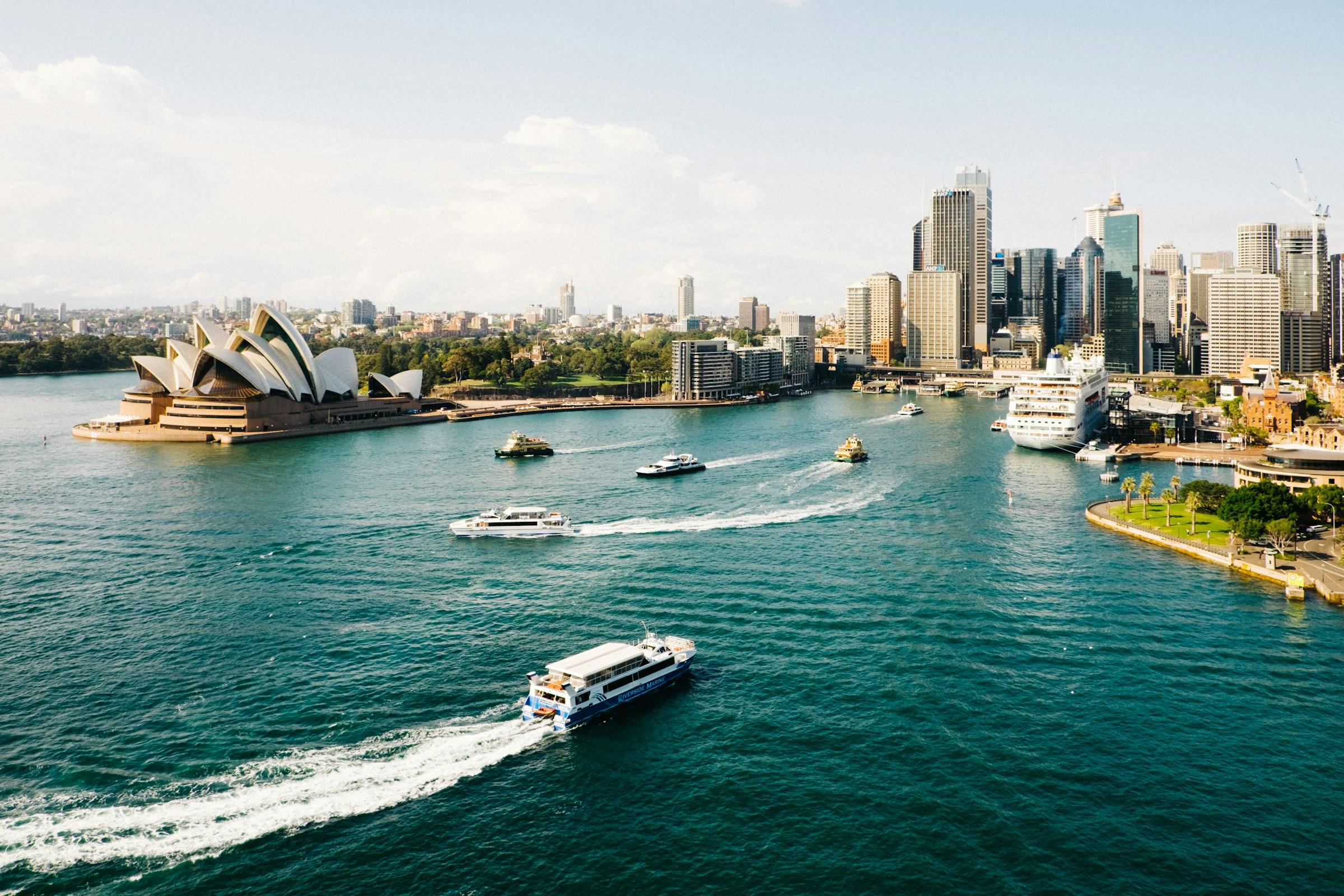
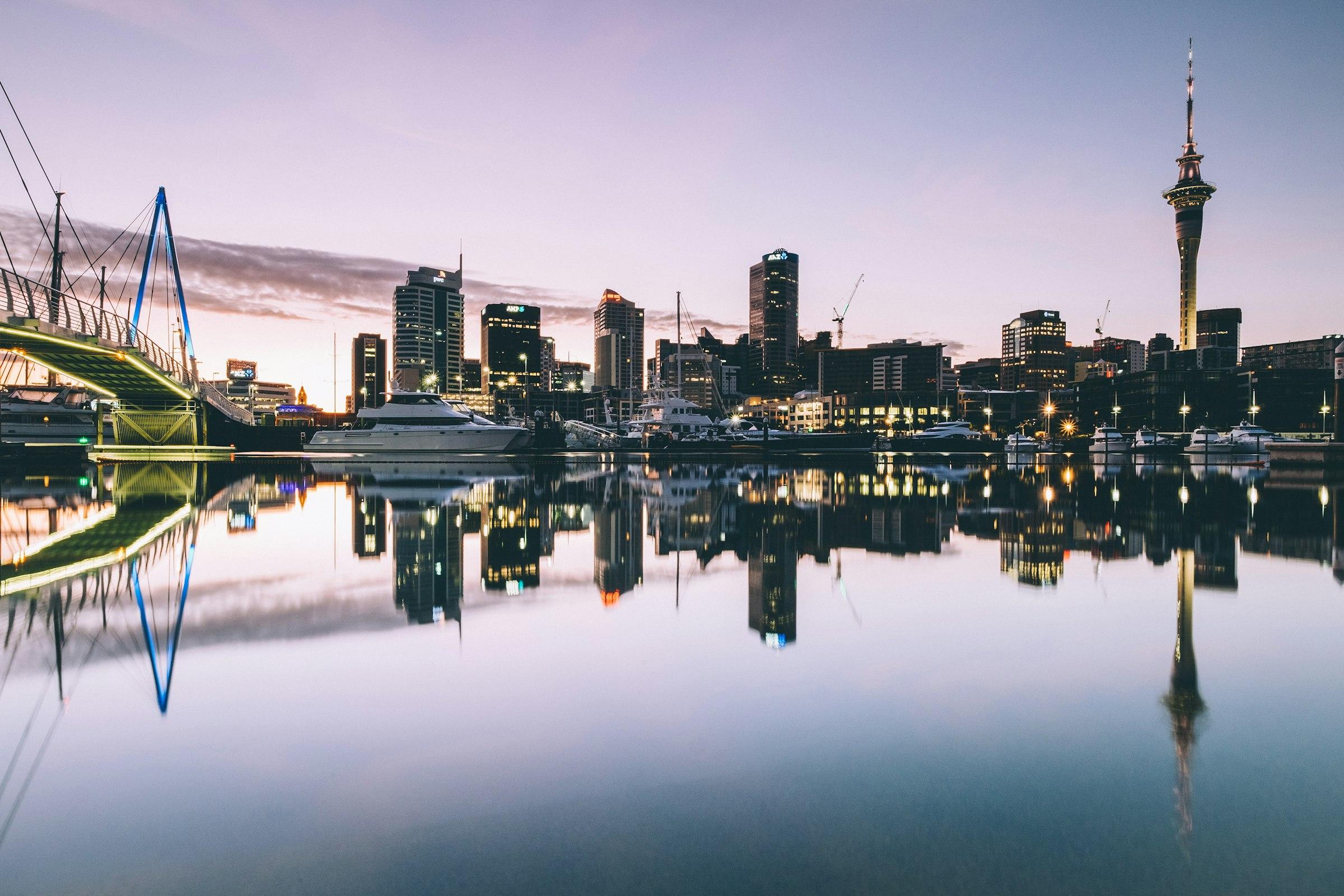
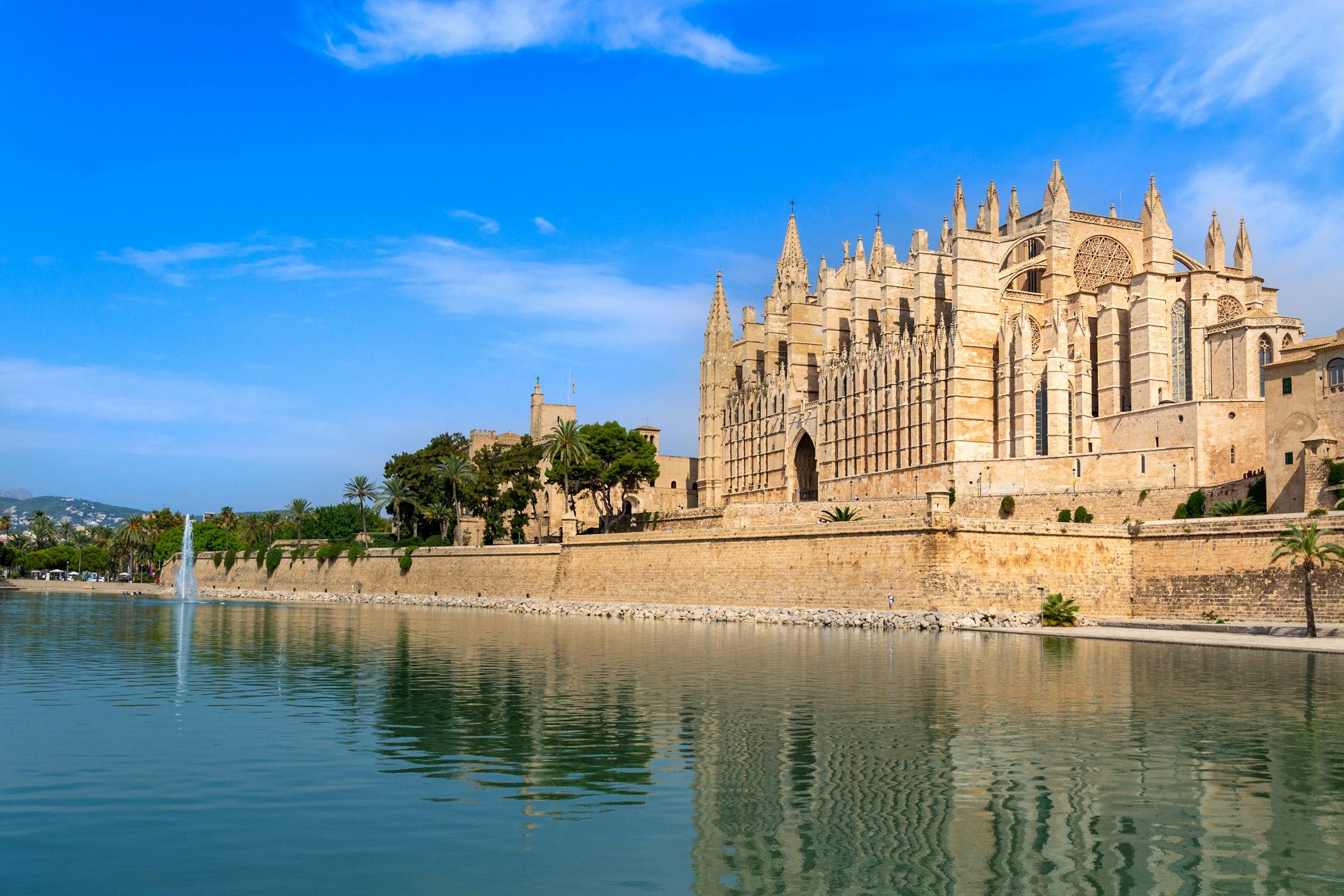
Places like Melbourne
The closest matches in the catalogue, measured across cost, climate, connection and safety — with the reason each one is here. Compare any of them against this page in one click.
How the scores work
Every score runs 0–10 and is comparative — where Melbourne lands across the catalogue, not a grade in isolation.
Cost
0.8#96 of 101 · 1 of 1 measured
What a month costs, from the cheapest way of living here to the dearest we can price.
A month runs €2,722–€2,950 and everyday spending is modelled from national price levels. Across the catalogue that ranks 96th of 101.
Public data 0.8
Work
7.0#19 of 103 · 2 of 2 measured
Connection, desks and whether the working day here meets yours.
Typical downloads run around 81 Mbps and 34 coworking spaces are mapped in town. Across the catalogue that ranks 19th of 103.
Public data 8.7
Public data 5.3
Climate
7.3#22 of 103 · 1 of 1 measured
How the year feels outside, air quality included.
3 of the 12 months sit in the comfortable 18–27 °C range and the air is clean (7.9 µg/m³ PM2.5, modelled — no station reports here). Across the catalogue that ranks 22nd of 103.
Public data 7.3
Safety
7.1#30 of 103 · 6 of 6 measured
The country-level baseline: violence, healthcare, water, and who the law protects.
Violent crime is rare nationwide (0.94 homicides per 100k), women's safety scores 9.0/10 on the Georgetown index, 372 clinics and hospitals are mapped within reach and tap water is drinkable. Across the catalogue that ranks 30th of 103.
Public data 6.4
Public data 1.8
Public data 9.0
Public data 10.0
Public data 10.0
Public data 10.0
Getting there
4.5#77 of 103 · 3 of 3 measured
Getting in, staying legally, and flying out again.
An EU passport gets 90 visa-free days, there is no long-stay route for remote work and the nearest major airport is 19 km from town. Across the catalogue that ranks 77th of 103.
Public data 4.0
Public data 3.6
Public data 7.5
Going out
6.2#25 of 103 · 4 of 4 measured
Evenings, eating and what there is to do when the laptop closes.
For every 100 restaurants and cafés there are 19 bars, pubs or clubs and 3 vegan-friendly places per 100 restaurants and cafés. Across the catalogue that ranks 25th of 103.
Public data 6.0
Public data 6.5
Public data 6.0
Public data 6.3
Being active
6.2#31 of 103 · 2 of 2 measured
Gyms and studios, board sports, and the nature within reach.
327 gyms and 19 yoga studios are mapped in town, 244 nature reserves and 1 hiking routes lie within 30 km, it sits on the coast and the wind is kiteable on 52 days a year. Across the catalogue that ranks 31st of 103.
Public data 4.6
Public data 7.8
Community
Nothing measured here yet
Members on the ground, chapters and events — our own data, not a proxy.
Not measured here yet: community.
Read the sectionSources
Every figure on this page carries the source it came from and the date it was measured. Where no source exists, the field is left empty rather than estimated.
- 1
Copernicus ERA5Generated using Copernicus Climate Change Service information
ECMWF’s ERA5 reanalysis, retrieved through Open-Meteo. Temperatures, rainfall, cloud cover and wind are daily values for the last complete calendar year.
- 2
Our own reading of ERA5 data, not a measurement: a month-by-month score for how comfortable the felt temperature is, damped for rain and cloud. The formula is published.
- 3
Copernicus CAMS© ECMWF/Copernicus
Modelled air quality, used only where no ground station exists. A 40km model cell, not a measurement on the corner — the page says which of the two you are looking at.
- 4
OpenStreetMapODbL
Community-mapped places: coworking, cafés, gyms and diet options within 15km. Counts are a floor rather than a census — coverage depends on local mappers.
- 5
M-LabCC BY-SA 4.0
Internet speed from real speed tests run by people in the city, aggregated over a seven-day window.
- 6
OurAirportsPublic domain
Airport locations and types. Distances are to the nearest major airport with scheduled service.
- 7
Inside AirbnbCC BY 4.0
The short-let market price: median nightly rate of entire homes bookable by the month, times thirty, converted to EUR at ECB reference rates. Deliberately not called rent — local leases run cheaper, and member reports correct downward.
- 8
UNODCFree with attribution
Intentional homicide rate from the UN Office on Drugs and Crime — a national figure, because no free source measures crime per city. The year next to the number is the year the country last reported.
- 9
Prices read by hand from the operator’s or authority’s own published price list — a transit tariff, a coworking rate card, an eSIM store — on the date shown. Checked quarterly; the linked page is the source.
- 10
World BankCC BY 4.0
Price level of household consumption at market exchange rates (US = 100) — a national figure that anchors the cost score where no city-level source exists yet. It measures what arriving with foreign income feels like, which is why a weak currency lowers it.
- 11
Hand-maintained country tables for the LGBTQ+ legal position and tap-water safety, compiled from advocacy databases (ILGA World, Human Dignity Trust), national authorities and government travel advice, and scored with a published rubric. Country-level by nature — city reality can differ, which is what the practical note is for.
- 12
WikidataCC0
Structural facts taken from the place’s Wikidata entity — resident population, which mirrors a national census figure, and elevation above sea level. The year is the one Wikidata records for that figure; where the entity was the wrong scale for the place we describe, the number has been replaced by a hand-sourced one from the statistics office instead.
- 13
Government sources
Visa and entry rules come from the responsible authority for each country, linked in the visa section and re-checked by hand on the date shown.
Frequently asked questions
How much does it cost to live in Melbourne per month?
Between €2,722 and €2,950 a month, housing and everyday spending together. Housing is your own place at €2,098. Everyday spending — food, local transport, leisure — is modelled from national price levels rather than measured in the city, so it is an indication and not a quote. A coworking desk is extra at €229. Every figure carries its source on the destination page.
How fast is the internet in Melbourne?
Median download speed is about 81.3 Mbps. Source: M-Lab median of 145,359 tests within 50 km, last 7 days.
What visa do I need for Melbourne?
No nomad visa and none planned - you visit on an eVisitor (EU, free) or ETA (US/CA, AUD 20), 3 months per entry over a 12-month validity. Remote work for an overseas employer on a visitor status is a tolerated grey area, not a right. Last checked 2026-07-29. Always confirm with the official source before booking.
What is the weather like in Melbourne?
Winters average 10.1 °C and summers 20.1 °C. 3 of 12 months average a comfortable 18–27 °C (felt temperature). Source: Copernicus ERA5, 2025 annual average.
Can I work European or US hours from Melbourne?
A 09:00–17:00 working day in Melbourne overlaps 0 hours with Central European time and 0 hours with US Eastern time, at standard time.
Are there coworking spaces in Melbourne?
34 coworking spaces are mapped in Melbourne, plus 2124 cafés to work from. Source: OpenStreetMap, within 15km. Counts are a floor, not a census — coverage depends on local mappers.
How do you get to Melbourne?
The nearest major airport is about 19 km away. 4 airports with scheduled service within 100 km. Source: OurAirports — nearest major airport is Melbourne Airport.
Where Melbourne ranks
Last reviewed July 30, 2026. Every figure carries its own measurement date; hover a footnote for the source, or see the list above.