

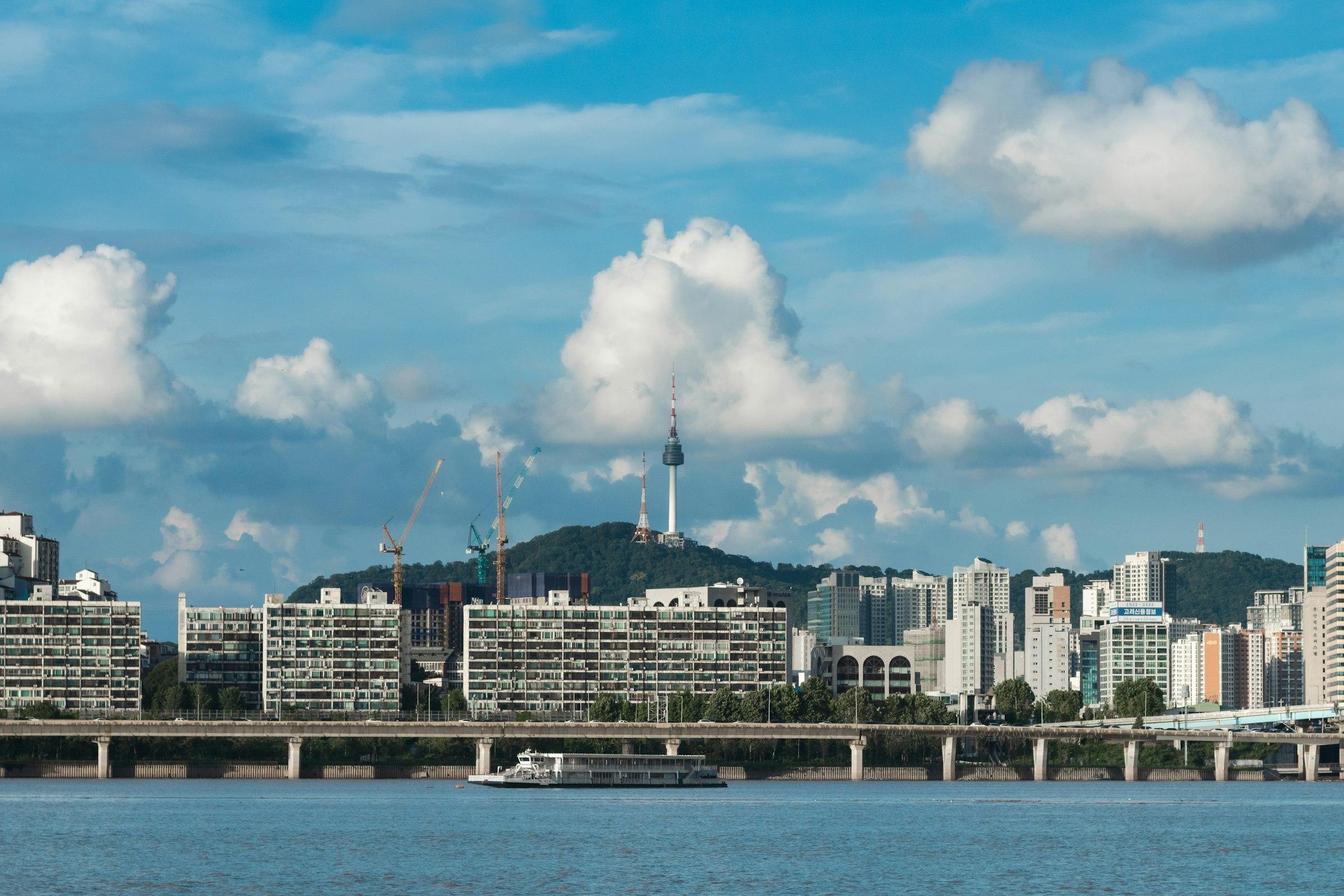
🇰🇷Seoul for Digital Nomads
South Korea · Fast in every sense
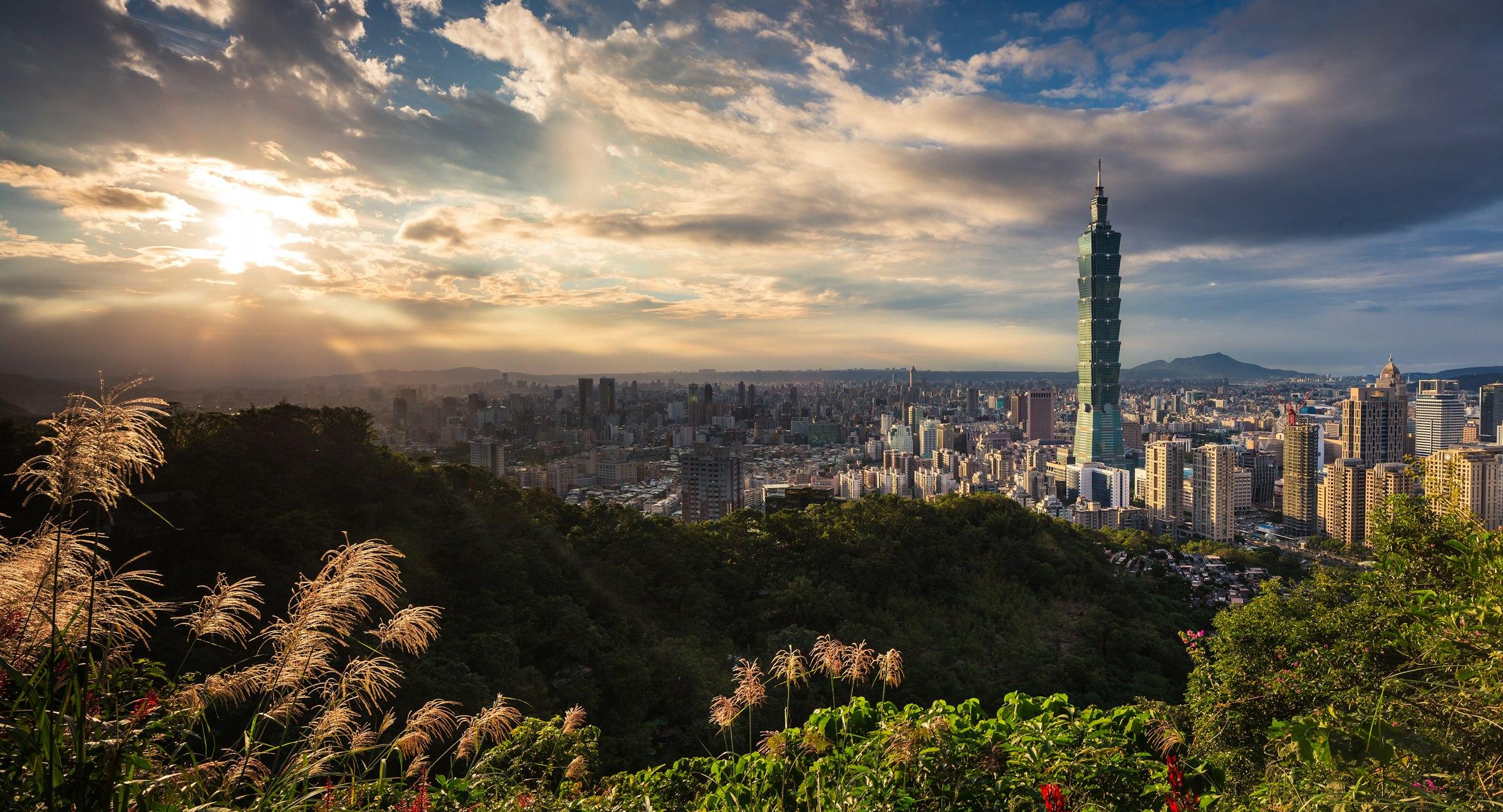
Photo: Mita 64 / Unsplash
Costs
from €1,020/mo
Wifi
94Mbps
Mild months
2of 12
Safety
9.2
Overall
6.1
Seoul at a glance
Seoul runs at a pace that makes most cities feel understaffed. The infrastructure argument is complete: a median download of 94.3 Mbps5 (source: M-Lab — median download speed), a transit system that embarrasses most of the world, convenience on every corner, and since 2024 a dedicated workation visa route12 (source: Government sources — F-1-D workation visa, checked 2026-07-29) instead of visa-run improvisation.
The honest catches are the calendar and the clock. Winter is real — the season averages below freezing1 (source: Copernicus ERA5 — 2025 winter average, Dec–Feb) — and only 2 of 12 months land in the mild comfort band2 (source: Nomadbase comfort index — from 2025 data). The time zone shares no working hours with Europe1 (source: Copernicus ERA5 — overlap of a 09:00-17:00 day against Central Europe), so a European client base means night calls. Spring brings the yellow-dust weeks, which the air-quality figure beside this text reflects.
It suits you if you draw energy from density, want Asia with total infrastructure, and your income lives in Asian or American hours. It suits you less if you need European overlap, hate winter, or want a scene that speaks English by default — Seoul rewards effort and repays it with interest.
What works
- Median download of 94.3 Mbps5 (source: M-Lab — median download speed) and infrastructure that simply works
- A dedicated workation visa exists12 (source: Government sources — F-1-D, checked 2026-07-29), 90 visa-free days to start12 (source: Government sources — checked 2026-07-29)
- A homicide rate of 0.49 per 100k7 (source: UNODC — national rate per 100,000) — late-night city life is unremarkable
- Mountains with marked trails inside the city limits
Worth knowing
- 0 hours of overlap with a European working day1 (source: Copernicus ERA5 — 09:00-17:00 against Central Europe)
- Winter averages −0.8 °C1 (source: Copernicus ERA5 — 2025 winter average) and only 2 of 12 months are mild2 (source: Nomadbase comfort index — from 2025 data)
- Spring dust season pushes the air into the numbers above
- English thins out fast beyond the centre; effort is the entry fee
Living in Seoul
Neighbourhoods, finding a place and getting around — the practical layer the data tiles below cannot carry. Working, money, people and time off live in their own sections.
Where to stay
Seoul is a federation of centres. Hongdae and Yeonnam-dong are the young, café-dense, nightlife-heavy west, where most newcomers land. Seongsu is the converted-warehouse district — the closest thing to a creative quarter and thick with third-wave coffee. Itaewon and Haebangchon are the international slope, English-friendliest in the city. Gangnam is corporate gloss, and Mangwon or Seochon are the quieter, more local picks. Everything works if it is within ten minutes of a subway station, which is most of the city.
Finding a place
The local market runs on deposit systems (jeonse and wolse) that make no sense for a stay of months, so foreigners rent furnished rooms and flats through goshiwon upgrades, serviced residences and platforms aimed at exactly this gap. Small is the norm — Seoul measures homes in pyeong and optimism — and location beats floor space here anyway.
Getting around
The subway is the best answer most cities never built: fast, frequent, precisely signed in English, and reaching everywhere you will ever need. A T-money card runs trains, buses and convenience stores. Taxis are cheap for late nights, and walking is underrated — the alley networks between stations are where the city actually lives.
Cost of living
#77of 101 destinations
€1,020–€1,236/mo
a coliving room to a place of your own, plus everyday spending
What a month actually costs, as a range — housing you can verify, everyday spending modelled from national price levels, and every line labelled with which it is.
Money
Cards work everywhere, including places that look like they should not take them. Foreign cards occasionally fail at odd terminals, so carry one backup and some cash for markets and street food. Tipping does not exist and attempting it causes mild distress.
- Coliving room
- €444
- Food, groceries and eating outmodelled
- €375 – €531
- Local transport
- €38
- Leisuremodelled
- €145 – €205
- Mobile data
- €18
- Coworking deskadd-on, not in the range
- €170/mo8 (source: Published prices — Behongli Yeonnam-dong (250,000 KRW) and WeWork (310,000 KRW) hot-desk monthly rates, EUR mean; the big Korean chains are inquiry-only, checked 2026-08-05)
Spot prices: coliving room €444/mo8 (source: Published prices — Borderless House, private room from-rate, Gangnam share house (630,000 KRW + 100,000 KRW utilities and wifi = 730,000 KRW all-in), min stay 1 month, one-time move-in 800,000 KRW; the listed private rooms in this house are female-only, checked 2026-08-05) · Big Mac €3.338 (source: Published prices — The Economist Big Mac Index, national average (5,700 KRW = 3.84 USD), July 2026 release — data CC BY 4.0)
Work
#19of 103 destinations
94Mbps
median download, measured in the city
Connection, desks and whether a day here meets yours — the three things that decide whether you can do your job from this city.
Working from here
Cafés are the city's real coworking network: open late, socket-rich, and culturally welcoming to the laptop camper who keeps ordering. The paid coworking scene is more corporate and concentrated around Gangnam and Seongsu. The default failure mode is working too much — the city's own rhythm normalises long hours, and it is contagious.
Internet
Coliving & coworking
CoworkingClick the map to open it — 35 places mapped in Seoul altogether.
- Coworking spaces mapped
- 174 (source: OpenStreetMap — within 15km)
- Cafés mapped
- 4,3504 (source: OpenStreetMap — within 15km)
Time zones
- Workday overlap with Europe
- 0 of 8 h1 (source: Copernicus ERA5 — Nomadbase overlap of a 09:00-17:00 day against Open-Meteo time zone (Asia/Seoul), standard time; Europe reference UTC+1)
- 0 h8 h
- Workday overlap with US East
- 0 of 8 h1 (source: Copernicus ERA5 — Nomadbase overlap of a 09:00-17:00 day against Open-Meteo time zone (Asia/Seoul), standard time; US East reference UTC-5)
- 0 h8 h
Overlap is the hours a 09:00–17:00 day here meets a 09:00–17:00 day there, at standard time.
Climate & air
#81of 103 destinations
2of 12
mild months — felt temperature between 18 and 27 °C
Month by month, not as one annual average. 18–27 °C is the range where being outside feels good — we count how much of the year sits inside it.
Seasons
The four seasons arrive with conviction. Winter is dry, bright and genuinely cold — the city functions perfectly, you just dress for it and learn what heated floors mean. Summer stacks a rainy July inside a humid, hot stretch. The paying seasons are the famous ones: cherry-blossom April and a long, crisp, blue-skied autumn that is the best answer to why people love this city. Spring also brings the yellow dust; check the air before the long run.
Tap a month for details.
feels-like monthly mean · ticks = rain days1 (source: Copernicus ERA5 — 2025 monthly means (felt temperature, rain-day share, cloud share))
comfortable & clearcomfortable, wetter/greyeroutside the 18–27 °C band
- Air quality — PM2.5, recent median
- 14.5 µg/m³ · poor3 (source: OpenAQ — median of 4 stations, 2026-08-04)
- 0WHO 525+
- Dry days a year
- 252 days/year1 (source: Copernicus ERA5 — 2025 full-year count)
- Cloud cover, annual mean
- 54%1 (source: Copernicus ERA5 — 2025 annual average)
The climate score is built from that band plus rain and cloud cover, month by month — so a hot summer costs a destination points rather than earning them.
Safety & everyday life
#35of 103 destinations
8.5/ 10
women's safety — Georgetown WPS index, country level
Country-level indicators — a practical baseline for the whole country, not the vibe of one neighbourhood. Community reports refine this picture over time.
Staying safe
Seoul is one of the safest big cities anywhere, and it changes your habits within a week — the laptop left on the café table while you order is the local trust exercise, and it is not naive. What replaces street risk: traffic that treats amber as encouragement, especially delivery scooters on pavements, and a nightlife culture where the drinks are stronger than the plan. Political demonstrations downtown are large, scheduled and avoidable.
The dust weeks deserve a sentence: on bad spring days the air app is as consulted as the weather app, and masks reappear without comment.
- Homicide rate, national
- 0.5 per 100k7 (source: UNODC — intentional homicide rate for South Korea, 2024)
- Safety for women
- 8.5 / 10
- 010
Georgetown WPS index — inclusion, justice and security, country level
- Getting by in English
- 6.0 / 10
- 010
high English proficiency
LGBTQ+ legal position · South Korea10 (source: Nomadbase country research — checked 2026-07-29)
5.0 / 10- Same-sex relationshipsLegal
- Partnership recognitionNone
- Employment protectionsNo
- Legal gender changePossible
No partnership institution and no national anti-discrimination law (only local ordinances), though the Supreme Court ordered spousal health-insurance coverage for a same-sex couple in July 2024. The Military Criminal Act still punishes sexual acts between servicemen; gender change runs through the courts, which mostly still expect surgery.
Tap water · South Korea10 (source: Nomadbase country research — checked 2026-07-29)
10.0 / 10Unsafe
Bottled advised
Mostly fine
Drink the tap
Safe to drink nationwide
Municipal supply is officially potable nationwide; many locals still boil or filter out of habit and water dispensers are ubiquitous.
Getting there & staying
#49of 103 destinations
90 days
visa-free on an EU passport · set in Your setup
How you get in, how long you may stay, and what it takes to run a business from here.
Visa & entry requirements
Digital nomad visa
Workation visa (F-1-D)12 (source: Government sources — Dedicated remote-work visa: Workation visa (F-1-D) (checked 2026-07-29))
Visa-free 90 days with the K-ETA waived for 22 countries through 31 December 2026 - plan for its return in 2027. The Workation visa (F-1-D) went permanent on 30 June 2026: income pegged at twice Korean per-capita GNI (roughly USD 74,000), up to three years.12 (source: Government sources — checked against the official source on July 29, 2026)
How long you can stay
Most EU citizens, Americans and Britons enter visa-free for 90 days; Canadian passports get 6 months under a unilateral designation. The K-ETA is temporarily waived for nationals of 22 countries and territories - including Germany, France, Italy, Spain, Netherlands, Poland, the Nordics, US, UK, Canada and Australia - until 31 December 2026. The waiver has been rolled over annually since 2023, but nothing guarantees another extension: if it lapses, the K-ETA returns at KRW 10,000, valid for multiple trips. EU states not on the waiver list (Ireland and Portugal among them) still need it today. Everyone entering without a K-ETA must file the online e-Arrival card within 3 days before arrival.
Staying longer as a remote worker
The Workation visa (F-1-D) ran as a pilot from January 2024 and became a permanent programme on 30 June 2026, with better terms. You qualify if you are 18 or older and have worked for an overseas employer (or owned an overseas business) for at least a year. The income mechanism: earnings of at least twice the previous year's Korean per-capita GNI as published by the Bank of Korea - with 2025 GNI at USD 36,963, that means roughly USD 74,000 a year. The permanent rules relax this to one times GNI (about USD 37,000) for applicants aged 18-34 who settle outside the Seoul capital region, part of a push toward regional areas. Maximum stay rose from two years to three; spouses and dependent children can accompany you. Expect paperwork: an apostilled criminal-record check, private health insurance covering treatment and repatriation for the full stay, and proof of income - applications go through Korean embassies and consulates, typically taking three to four weeks. Working for Korean companies is off-limits on this visa.
Visa rules change frequently. This information was last checked on July 29, 2026. It is not legal advice — confirm before booking with the official source.
Flights
The nearest major airport — Seoul Gimpo International Airport — is 17 km6 (source: OurAirports — nearest major airport is Seoul Gimpo International Airport) out, with 3 airports6 (source: OurAirports — major and regional airports with scheduled service) within 100 km overall.
Company & banking
- Setting up a company
- 6.5 / 10
- 010
on-site · 100% foreign ownership · no real minimum capital · ~10 days to register
- Opening an account
- 5.3 / 10
- 010
personal account difficult · business account straightforward · branch visit needed · limited EMI cover
Setting up, in practice
Company registration goes through the court registry with a foreign-investment notification; about two weeks. There is no company minimum capital, but the D-8 investor visa has its own threshold (KRW 100 million) — those two are constantly confused.Banking, in practice
Korean banks are strict on non-residents and the account is tied to an alien registration card in practice. The company account follows the business registration.Not legal or tax advice. Company law, fees and bank policy change without notice — confirm with the registry linked on each figure and with a local adviser before you act on any of it.
Going out
#97of 103 destinations
5.2/ 100
bars, pubs and clubs per 100 restaurants & cafés
Evenings, eating and what there is to do once the laptop closes.
Time off
The intercity trains put the whole country in range: Busan's beaches in under three hours, Gyeongju's temples, Jeonju's food weekend. Nearer, the DMZ tour is sobering and worth one day, Incheon's islands do slow ferries, and the ski resorts east of the city make winter an asset. Japan is a budget flight away — Fukuoka closer than some Korean cities.
CafésClick the map to open it — 35 places mapped in Seoul altogether.
- Restaurants
- 41,4834 (source: OpenStreetMap — within 15km)
- mapped within 15 km — the base the shares below are measured against
Being active
#26of 103 destinations
458spots
gyms and yoga studios mapped in town
Gyms, studios and board sports in town, and the nature within reach — counted where counting is honest, shown as a badge where the map is too sparse to rank.
Staying active
The mountains are the city's gift: Bukhansan and the ridge trails start at subway stations, fully marked, and hiking is a mass participation sport with its own fashion industry. The Han river parks run flat cycling and running kilometres through the whole city, with exercise equipment and convenience stores en route. Gyms are everywhere; the jjimjilbang — the Korean bathhouse — is the recovery layer, cheap and open all night.
In town
GymsYogaClick the map to open it — 35 places mapped in Seoul altogether.
Nature within reach
Community
Who is here, who is coming, and who has been. Counts only — never names.
Meeting people
The scene runs on structure: language exchanges, climbing gyms, running crews, study-café culture. Spontaneous café conversation is rare; joining something is not optional here, it is the mechanism. The international crowd concentrates around Itaewon, the universities and the startup world, and Koreans who engage do so with a loyalty that outlasts your visa.
here now
arriving soon
have been
Nobody from the community has checked into Seoul yet. If you are here, you would be the first.
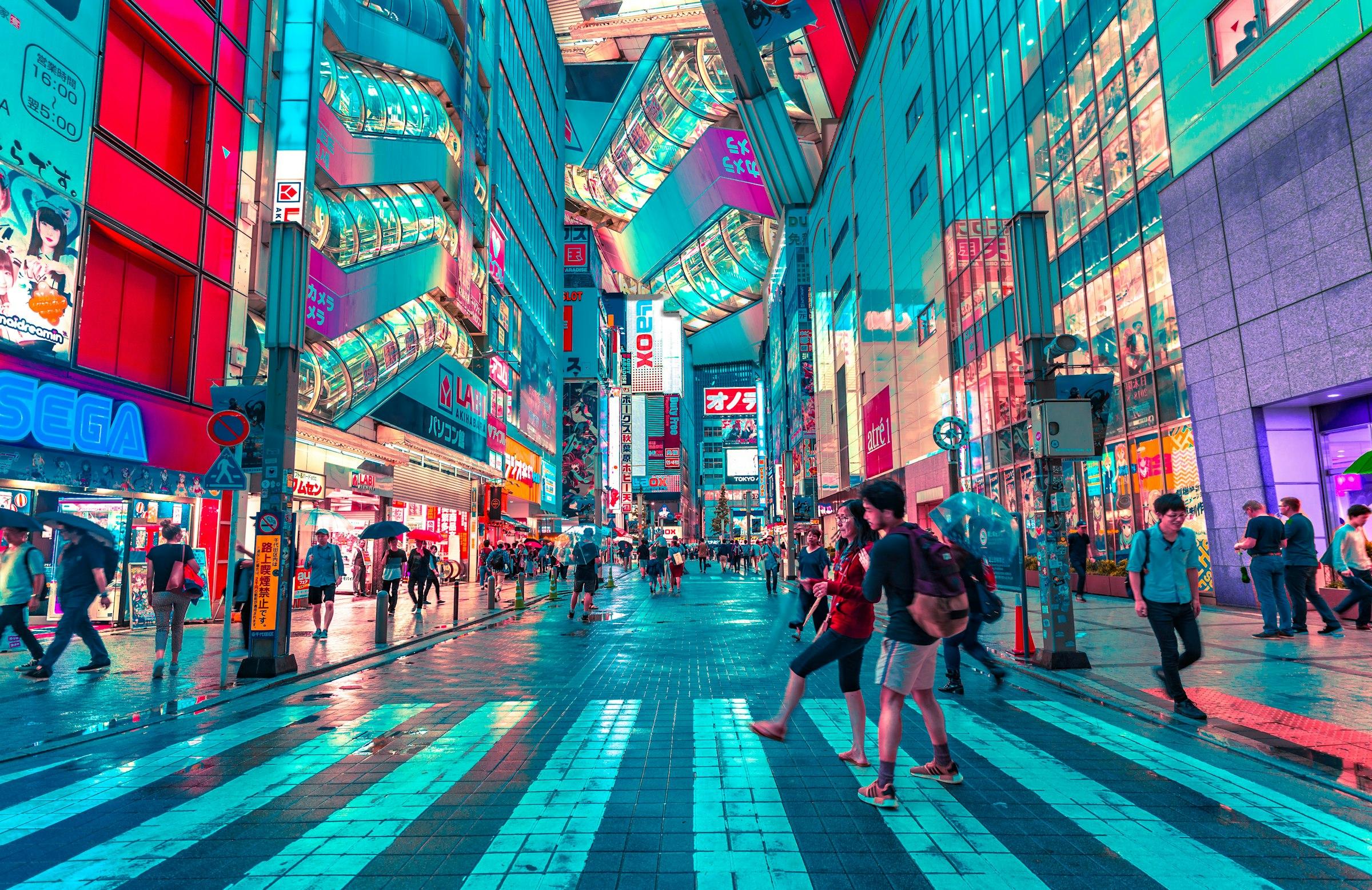
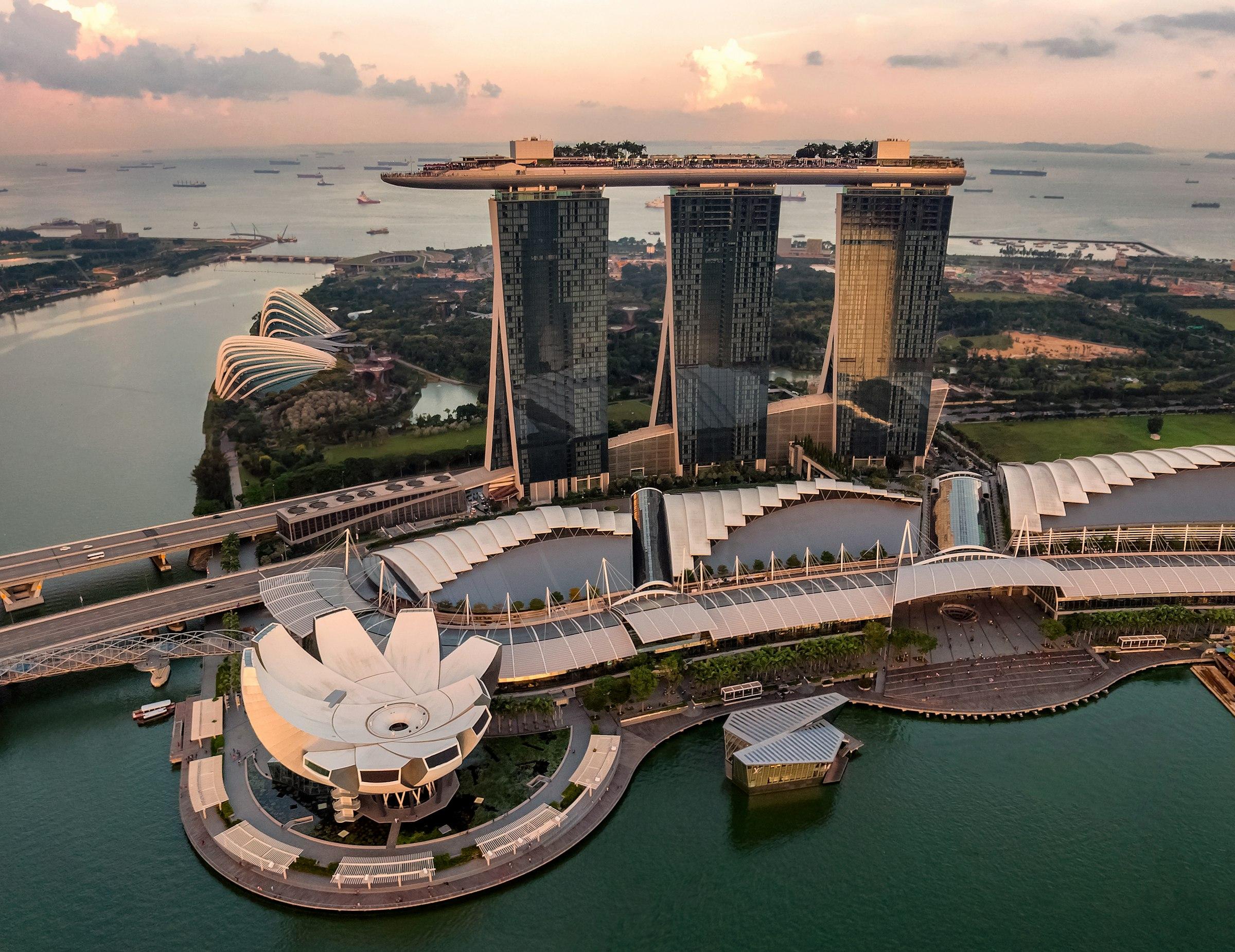
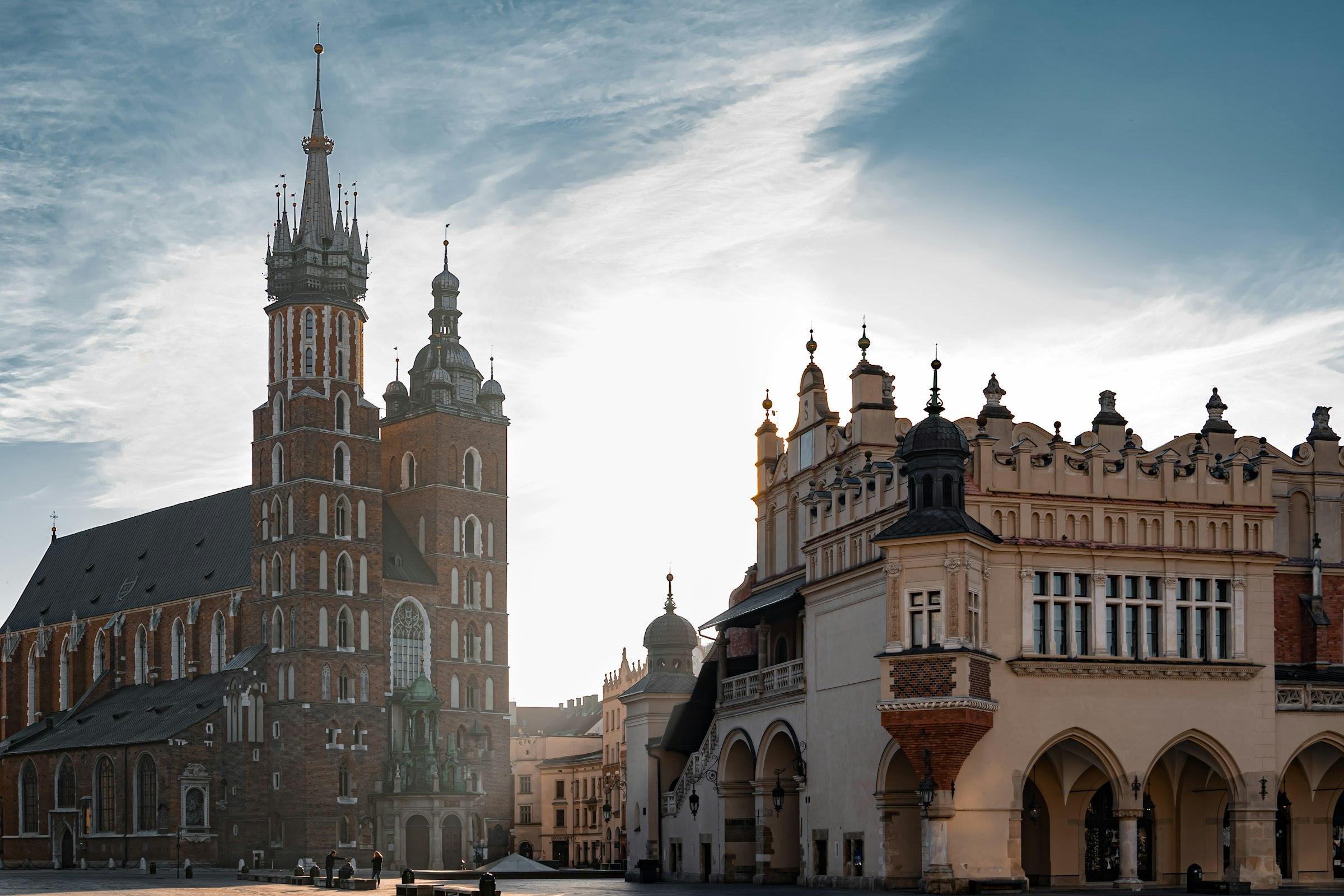
Places like Seoul
The closest matches in the catalogue, measured across cost, climate, connection and safety — with the reason each one is here. Compare any of them against this page in one click.
How the scores work
Every score runs 0–10 and is comparative — where Seoul lands across the catalogue, not a grade in isolation.
Cost
3.0#77 of 101 · 1 of 1 measured
What a month costs, from the cheapest way of living here to the dearest we can price.
A month runs €1,020–€1,236 and everyday spending is modelled from national price levels. Across the catalogue that ranks 77th of 101.
Public data 3.0
Work
7.0#19 of 103 · 2 of 2 measured
Connection, desks and whether the working day here meets yours.
Typical downloads run around 94 Mbps and 17 coworking spaces are mapped in town. Across the catalogue that ranks 19th of 103.
Public data 9.5
Public data 4.5
Climate
5.1#81 of 103 · 1 of 1 measured
How the year feels outside, air quality included.
2 of the 12 months sit in the comfortable 18–27 °C range and air pollution is moderate (14.5 µg/m³ PM2.5). Across the catalogue that ranks 81st of 103.
Public data 5.1
Safety
6.9#35 of 103 · 6 of 6 measured
The country-level baseline: violence, healthcare, water, and who the law protects.
Violent crime is rare nationwide (0.49 homicides per 100k), women's safety scores 8.5/10 on the Georgetown index, 501 clinics and hospitals are mapped within reach and tap water is drinkable. Across the catalogue that ranks 35th of 103.
Public data 9.2
Public data 1.7
Public data 8.5
Public data 10.0
Public data 5.0
Public data 6.0
Getting there
6.1#49 of 103 · 3 of 3 measured
Getting in, staying legally, and flying out again.
An EU passport gets 90 visa-free days, there is a dedicated nomad visa and the nearest major airport is 17 km from town. Across the catalogue that ranks 49th of 103.
Public data 7.3
Public data 4.4
Public data 5.9
Going out
2.2#97 of 103 · 4 of 4 measured
Evenings, eating and what there is to do when the laptop closes.
For every 100 restaurants and cafés there are 5 bars, pubs or clubs and 0 vegan-friendly places per 100 restaurants and cafés. Across the catalogue that ranks 97th of 103.
Public data 0.7
Public data 5.5
Public data 0.6
Public data 0.1
Being active
6.5#26 of 103 · 2 of 2 measured
Gyms and studios, board sports, and the nature within reach.
440 gyms and 18 yoga studios are mapped in town, 13 nature reserves and 121 hiking routes lie within 30 km and it sits on the coast. Across the catalogue that ranks 26th of 103.
Public data 4.5
Public data 8.6
Community
Nothing measured here yet
Members on the ground, chapters and events — our own data, not a proxy.
Not measured here yet: community.
Read the sectionSources
Every figure on this page carries the source it came from and the date it was measured. Where no source exists, the field is left empty rather than estimated.
- 1
Copernicus ERA5Generated using Copernicus Climate Change Service information
ECMWF’s ERA5 reanalysis, retrieved through Open-Meteo. Temperatures, rainfall, cloud cover and wind are daily values for the last complete calendar year.
- 2
Our own reading of ERA5 data, not a measurement: a month-by-month score for how comfortable the felt temperature is, damped for rain and cloud. The formula is published.
- 3
OpenAQCC BY 4.0
Air quality measured at ground stations. Only reaches part of the catalogue — a city needs a station nearby that is still reporting.
- 4
OpenStreetMapODbL
Community-mapped places: coworking, cafés, gyms and diet options within 15km. Counts are a floor rather than a census — coverage depends on local mappers.
- 5
M-LabCC BY-SA 4.0
Internet speed from real speed tests run by people in the city, aggregated over a seven-day window.
- 6
OurAirportsPublic domain
Airport locations and types. Distances are to the nearest major airport with scheduled service.
- 7
UNODCFree with attribution
Intentional homicide rate from the UN Office on Drugs and Crime — a national figure, because no free source measures crime per city. The year next to the number is the year the country last reported.
- 8
Prices read by hand from the operator’s or authority’s own published price list — a transit tariff, a coworking rate card, an eSIM store — on the date shown. Checked quarterly; the linked page is the source.
- 9
World BankCC BY 4.0
Price level of household consumption at market exchange rates (US = 100) — a national figure that anchors the cost score where no city-level source exists yet. It measures what arriving with foreign income feels like, which is why a weak currency lowers it.
- 10
Hand-maintained country tables for the LGBTQ+ legal position and tap-water safety, compiled from advocacy databases (ILGA World, Human Dignity Trust), national authorities and government travel advice, and scored with a published rubric. Country-level by nature — city reality can differ, which is what the practical note is for.
- 11
WikidataCC0
Structural facts taken from the place’s Wikidata entity — resident population, which mirrors a national census figure, and elevation above sea level. The year is the one Wikidata records for that figure; where the entity was the wrong scale for the place we describe, the number has been replaced by a hand-sourced one from the statistics office instead.
- 12
Government sources
Visa and entry rules come from the responsible authority for each country, linked in the visa section and re-checked by hand on the date shown.
Frequently asked questions
How much does it cost to live in Seoul per month?
Between €1,020 and €1,236 a month, housing and everyday spending together. Housing is a coliving room at €444. Everyday spending — food, local transport, leisure — is modelled from national price levels rather than measured in the city, so it is an indication and not a quote. A coworking desk is extra at €170. Every figure carries its source on the destination page.
How fast is the internet in Seoul?
Median download speed is about 94.3 Mbps. Source: M-Lab median of 71,742 tests within 50 km, last 7 days.
What visa do I need for Seoul?
Visa-free 90 days with the K-ETA waived for 22 countries through 31 December 2026 - plan for its return in 2027. The Workation visa (F-1-D) went permanent on 30 June 2026: income pegged at twice Korean per-capita GNI (roughly USD 74,000), up to three years. Last checked 2026-07-29. Always confirm with the official source before booking.
What is the weather like in Seoul?
Winters average -0.8 °C and summers 26.4 °C. 2 of 12 months average a comfortable 18–27 °C (felt temperature). Source: Copernicus ERA5, 2025 annual average.
Can I work European or US hours from Seoul?
A 09:00–17:00 working day in Seoul overlaps 0 hours with Central European time and 0 hours with US Eastern time, at standard time.
Are there coworking spaces in Seoul?
17 coworking spaces are mapped in Seoul, plus 4350 cafés to work from. Source: OpenStreetMap, within 15km. Counts are a floor, not a census — coverage depends on local mappers.
How do you get to Seoul?
The nearest major airport is about 17 km away. 3 airports with scheduled service within 100 km. Source: OurAirports — nearest major airport is Seoul Gimpo International Airport.
Where Seoul ranks
Last reviewed August 5, 2026. Every figure carries its own measurement date; hover a footnote for the source, or see the list above.