

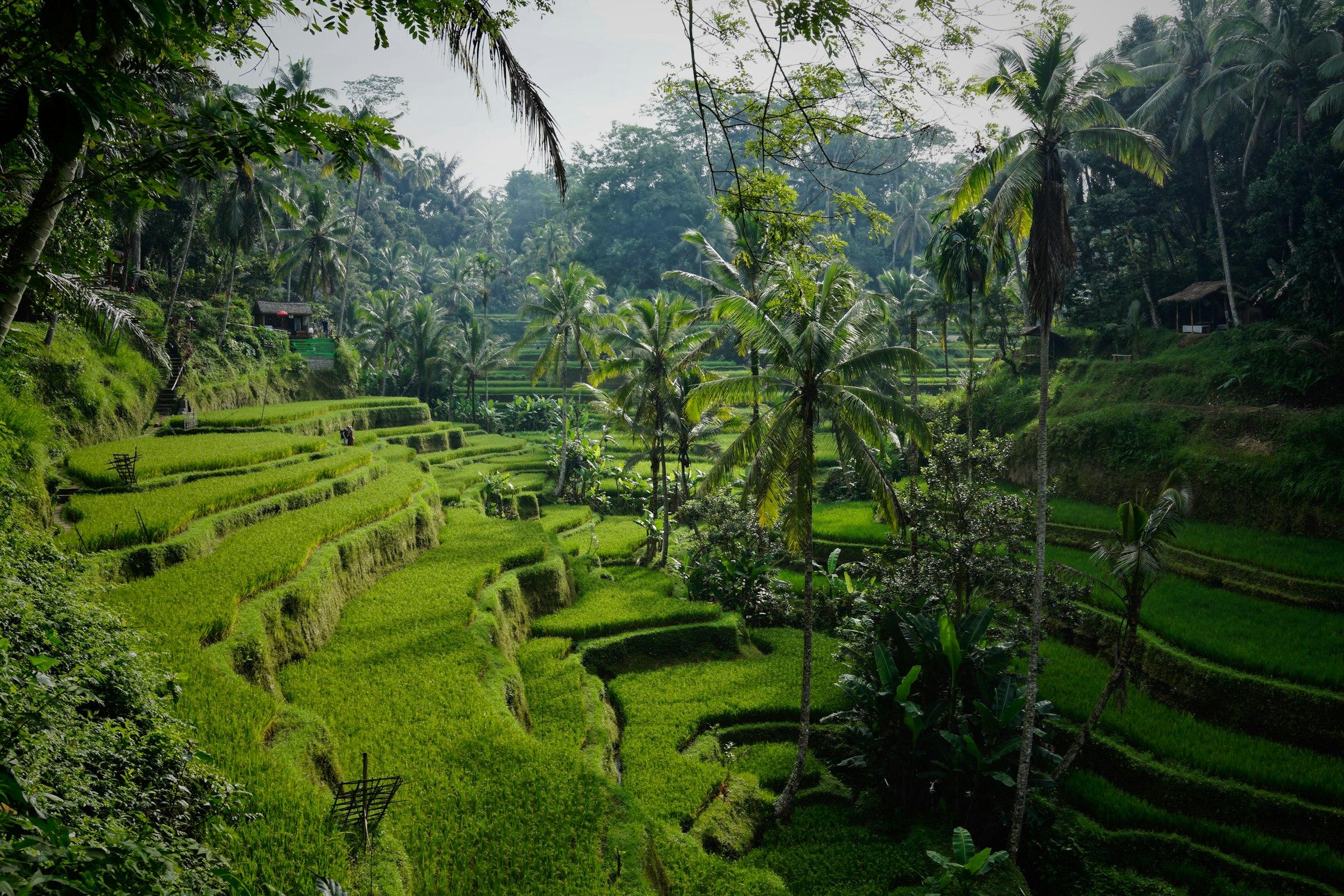
🇮🇩Ubud for Digital Nomads
Indonesia · Green & wellness-heavy
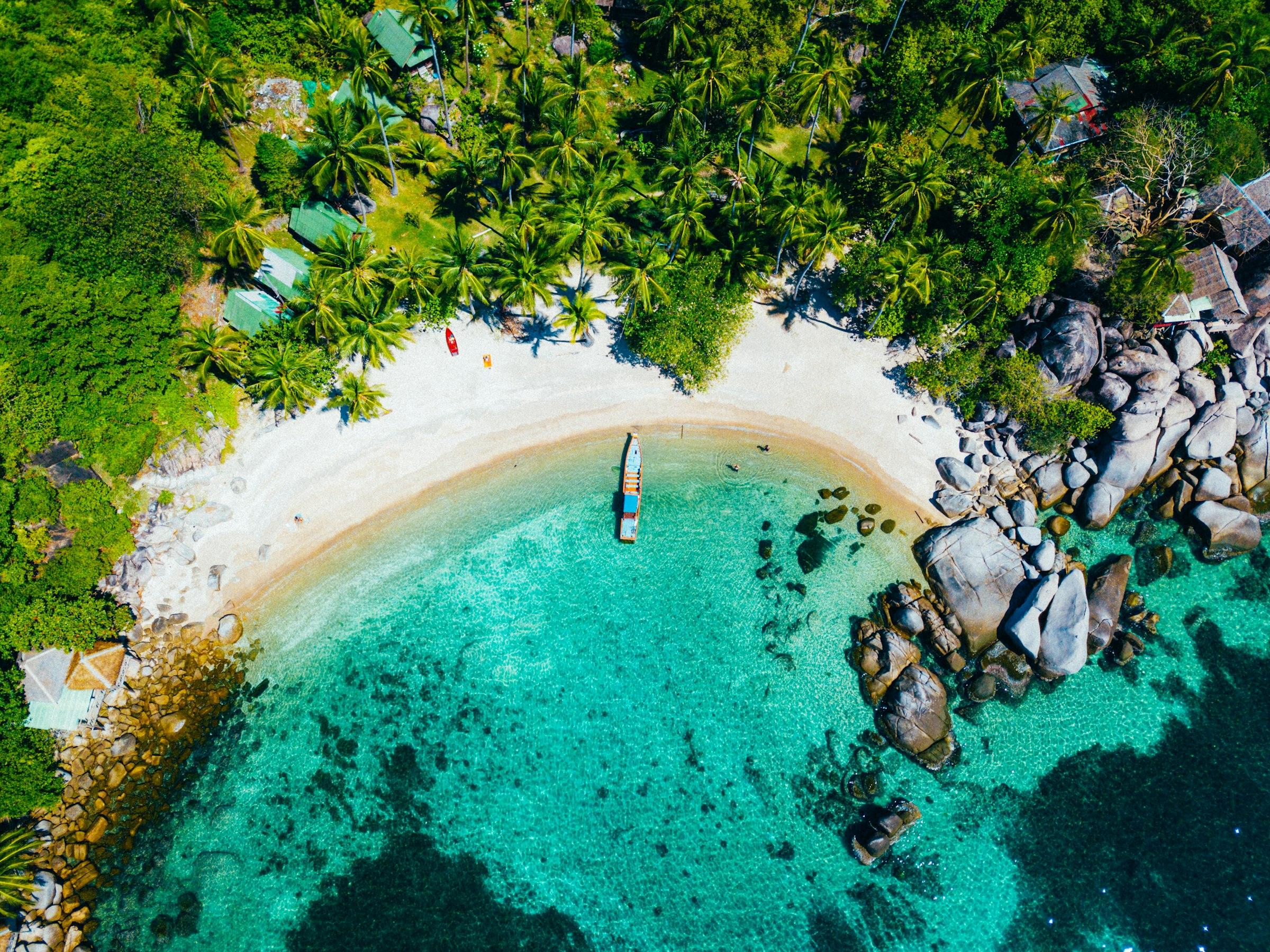
Photo: Niklas Weiss / Unsplash
Costs
from €1,017/mo
Wifi
8Mbps
Mild months
0of 12
Safety
9.4
Overall
6.0
Ubud at a glance
Ubud is Bali's inland town of rice terraces, temples and ceremony — the version of Bali built around mornings, wellness and long café workdays rather than surf and nightlife. For a nomad it is a place set up for working travellers who want green instead of beach, with a coworking culture that made the town's name.
Be honest with yourself about two things. The heat and humidity never leave — there is no cool season to wait for, only wetter and drier versions of warm. And Indonesia enforces its visa rules: people working on tourist visas do get caught and deported, so treat the paperwork as part of the plan, not an afterthought.
It suits you if your clients live on Asia-Pacific time, you like ritual and greenery, and a scooter feels like freedom rather than a risk. It suits you less if you need European office hours, walkable errands, or a climate that ever steps out of the tropics.
What works
- 352 cafés mapped within 15 km4 (source: OpenStreetMap — July 2026), plus a coworking scene famous well beyond Bali
- 4.8 of every 100 mapped restaurants & cafés are vegan-friendly4 (source: OpenStreetMap — July 2026) — one of the stronger shares we list, in a town where the map understates how normal plant-based menus are
- Measured PM2.5 of 8.8 µg/m³3 (source: OpenAQ — measured, July 2026) — the air is genuinely clean
- The working day aligns with Asia-Pacific clients, from Singapore to Sydney
Worth knowing
- 0 of 12 months land in the 18–27 °C felt band2 (source: Nomadbase comfort index — comfort index from Open-Meteo, 2025)
- No visa-free entry for EU and US passports; the visa on arrival gives 30 days, extendable once12 (source: Government sources — checked July 2026)
- Roughly one hour of working-day overlap with Central Europe — European clients mean evening calls
- Working on a tourist visa is actively enforced against; the E33G remote-worker permit is the compliant route (see the visa section)
Living in Ubud
Neighbourhoods, finding a place and getting around — the practical layer the data tiles below cannot carry. Working, money, people and time off live in their own sections.
Where to stay
Ubud is a small centre wrapped in villages, and the real question is how far into the rice fields you want to live. Everything is measured in scooter minutes.
- Central Ubud (around the palace and Monkey Forest Road) — walkable to studios, warungs and coworking, but also to the traffic and the tour buses. Convenient, and the least peaceful option.
- Penestanan — the old painters' village up the stairs west of the centre: guesthouses along footpaths, rice-field views, and a short scooter hop — or a sweaty walk — into town.
- Sayan and the Campuhan ridge — villa territory above the river valley, quiet and green; you will scooter for every errand.
- Nyuh Kuning and Pengosekan — village life on the southern edge by the Monkey Forest, close to the yoga studios without the centre's noise.
- North towards Junjungan and Tegallalang — greener and cheaper the further you ride, but town becomes a deliberate trip rather than a stroll.
Finding a place
The best places rarely reach listing sites. The working method is to book somewhere central for the first stretch, then hunt: Facebook groups, café noticeboards, and simply riding the lanes asking at guesthouses. Monthly rates are agreed in person and expected to be negotiated.
Check the things the photos hide: water pressure, hot water, the state of the wifi router, and how open to the outside the room really is — open-air living is lovely until the wet season, the insects and the mould arrive. Ask what construction is planned next door; building noise is a constant of Ubud life.
High season tightens supply noticeably. If you arrive then, take something adequate quickly and upgrade once you know the lanes.
Getting around
Ubud runs on scooters, and so will you. The lanes are narrow, surfaces swing between fresh tarmac and potholes, and rain arrives without much warning — ride slowly, wear the helmet, keep a poncho under the seat. Police checks happen; carry an international driving permit.
Ride-hailing apps work for longer hops, with a local catch: parts of central Ubud and some surrounding villages ban app pickups, enforced by the neighbourhood taxi cooperatives — your driver may ask you to walk to a boundary or a quieter corner first. Drop-offs are generally fine. For day trips, hiring a local driver for the day is the comfortable standard.
Walking the centre is possible but joyless in the heat, on pavements that come and go.
Cost of living
#13of 101 destinations
€1,017–€1,122/mo
a coliving room to a place of your own, plus everyday spending
What a month actually costs, as a range — housing you can verify, everyday spending modelled from national price levels, and every line labelled with which it is.
Money
Cash first. Cards work at the bigger cafés and coworking desks, but warungs, markets, drivers and rent deposits mostly run on cash. Withdraw from ATMs attached to actual bank branches — card skimming on standalone machines is a known problem — and always decline the machine's currency conversion.
Tipping is not expected; many restaurants add a service charge instead. Rounding up for drivers and leaving something for villa staff is appreciated and never demanded.
- Coliving room
- €746
- Food, groceries and eating outmodelled
- €169 – €239
- Local transportmodelled
- €10 – €14
- Leisuremodelled
- €73 – €104
- Mobile data
- €19
- Coworking deskadd-on, not in the range
- €131/mo8 (source: Published prices — Outpost Ubud (2,678,000 IDR), Monthly Unlimited hot desk: $149 / IDR 2.678.000 per month (unlimited hours, any Bali location), seen live on operator pricing widget 2026-07-29. Single-operator value, not a median: Beluna (belunabali.com) domain parked, Setter (setter.work) SSL-dead, ubud.space publishes only hourly/daily (170.000 Rp/day), BWork is Canggu/Uluwatu only. Day pass ref: $15 / Rp 258.000., checked 2026-07-29)
Spot prices: coliving room €746/mo8 (source: Published prices — Outpost Coliving (Ubud/Bali) (849 USD), "Colive+ from $849/mo"; month-to-month $917 incl. free coworking. Seen 2026-07-29., checked 2026-07-29) · 3-star hotel €42.47/night8 (source: Published prices — Booking.com (median of 3 listed 3-star rates) (866,761 IDR), Night of 15–16 Aug 2026, 3-star filter, live results 2026-07-29: Alam Terrace Cottages Rp 653.183, Masara Ubud Villas Rp 1.019.320, Ubud Jungle Stay - Mahari by WAHM Rp 866.761 → median Rp 866.761., checked 2026-07-29) · café latte €2.998 (source: Published prices — Starbucks Pengosekan Ubud via GrabFood (61,000 IDR), Hot Caffe Latte Rp 61.000 (Iced Caffe Latte likewise Rp 61.000), full menu seen live 2026-07-29. Delivery-platform price — may carry a small markup vs counter., checked 2026-07-29) · Big Mac €2.078 (source: Published prices — The Economist Big Mac Index, national average (43,000 IDR = 2.38 USD), July 2026 release — data CC BY 4.0)
Work
#52of 103 destinations
8Mbps
median download, measured in the city
Connection, desks and whether a day here meets yours — the three things that decide whether you can do your job from this city.
Working from here
Ubud's coworking scene is famous well beyond Bali, and it remains the social spine of the town — events, skill-shares and shared lunches as much as desks. Our map data undercounts it badly, so we quote no figure here; go and look.
Cafés carry the rest. Laptops are welcome almost everywhere, and the all-day workflow over a smoothie bowl is a local institution. The heat shapes the rhythm: mornings are for focus, afternoons for fans, pools or a slower second shift.
We have no measured internet value for Ubud yet, so we print none — run a speed test in the Nomadbase app and you become the source. Time zones are the other constraint: your day lines up with Asia-Pacific, and Central Europe wakes as you finish. If your clients are European, plan for evening calls.
Internet
Coliving & coworking
CoworkingClick the map to open it — 24 places mapped in Ubud altogether.
- Coworking spaces mapped
- 34 (source: OpenStreetMap — within 15km)
- Cafés mapped
- 3524 (source: OpenStreetMap — within 15km)
Time zones
- Workday overlap with Europe
- 1 of 8 h1 (source: Copernicus ERA5 — Nomadbase overlap of a 09:00-17:00 day against Open-Meteo time zone (Asia/Makassar), standard time; Europe reference UTC+1)
- 0 h8 h
- Workday overlap with US East
- 0 of 8 h1 (source: Copernicus ERA5 — Nomadbase overlap of a 09:00-17:00 day against Open-Meteo time zone (Asia/Makassar), standard time; US East reference UTC-5)
- 0 h8 h
Overlap is the hours a 09:00–17:00 day here meets a 09:00–17:00 day there, at standard time.
Climate & air
#66of 103 destinations
0of 12
mild months — felt temperature between 18 and 27 °C
Month by month, not as one annual average. 18–27 °C is the range where being outside feels good — we count how much of the year sits inside it.
Seasons
The intro says it straight: there is no cool season, only wetter and drier versions of warm. The dry months keep mornings clear and evenings gentle; the wet season builds afternoon downpours that hammer the valley and pass, leaving the ricefields at their greenest. Ubud’s inland bowl runs more humid than the coast either way.
The practical season is mould: in the wet months, leather, electronics and unworn clothes grow fur unless the room breathes or a dry-box hums. Plan mornings for anything outdoors year-round — the day’s best hours are before ten, in every month.
Tap a month for details.
feels-like monthly mean · ticks = rain days1 (source: Copernicus ERA5 — 2025 monthly means (felt temperature, rain-day share, cloud share))
comfortable & clearcomfortable, wetter/greyeroutside the 18–27 °C band
- Air quality — PM2.5, recent median
- 8.8 µg/m³ · fair3 (source: OpenAQ — median of 3 stations, 2026-07-27)
- 0WHO 525+
- Dry days a year
- 70 days/year1 (source: Copernicus ERA5 — 2025 full-year count)
- Cloud cover, annual mean
- 78%1 (source: Copernicus ERA5 — 2025 annual average)
The climate score is built from that band plus rain and cloud cover, month by month — so a hot summer costs a destination points rather than earning them.
Safety & everyday life
#30of 103 destinations
7.0/ 10
women's safety — Georgetown WPS index, country level
Country-level indicators — a practical baseline for the whole country, not the vibe of one neighbourhood. Community reports refine this picture over time.
Staying safe
Ubud is a gentle town whose dangers are practical rather than criminal. The scooter is first: wet roads, ravine edges and confidence acquired faster than skill put more visitors in clinics than everything else combined. Helmet always, licence in order, and rain means slowing down or waiting it out.
The rest is a short list with sharp edges: the Monkey Forest’s residents are professional thieves and occasional biters — any bite means proper medical follow-up, because rabies exists on the island — and cheap arak has a documented methanol problem, so drink only what a bottle with a label or a bar you trust pours.
- Homicide rate, national
- 0.4 per 100k7 (source: UNODC — intentional homicide rate for Indonesia, 2024)
- Safety for women
- 7.0 / 10
- 010
Georgetown WPS index — inclusion, justice and security, country level
- Getting by in English
- 2.8 / 10
- 010
low English proficiency
LGBTQ+ legal position · Indonesia10 (source: Nomadbase country research — checked 2026-07-29)
5.0 / 10- Same-sex relationshipsLegal
- Partnership recognitionNone
- Employment protectionsNo
- Legal gender changePossible
Legal nationally, but Aceh punishes same-sex acts with public caning under Sharia bylaws, the new Criminal Code (in force 2 Jan 2026) criminalises all extramarital sex and cohabitation (complaint by spouse/parent/child only), and a July 2026 presidential regulation labels the "spread of LGBT culture" a national threat. Bali is comparatively relaxed; public discretion is essential everywhere.
Tap water · Indonesia10 (source: Nomadbase country research — checked 2026-07-29)
1.0 / 10Unsafe
Bottled advised
Mostly fine
Drink the tap
Not safe without treatment
UK government advice is blunt: "Tap water is not safe to drink in Indonesia" — that includes Bali and Jakarta; refill-gallon and bottled water are universal.
Getting there & staying
#94of 103 destinations
visa required
visa-free on an EU passport · set in Your setup
How you get in, how long you may stay, and what it takes to run a business from here.
Visa & entry requirements
Digital nomad visa
E33G Remote Worker KITAS12 (source: Government sources — Dedicated remote-work visa: E33G Remote Worker KITAS (checked 2026-07-29))
No visa-free entry for EU or US passports — you buy a Rp 500,000 visa on arrival for 30 days, extendable once. The E33G Remote Worker KITAS is the legal one-year route, but it wants US$60,000 a year in foreign income, and 2026 brought visible deportations of people working on tourist visas.12 (source: Government sources — checked against the official source on July 29, 2026)
How long you can stay
- Visa-free entry survives only for ASEAN neighbours and a short reciprocal list (Presidential Regulation 95/2024 cut the old 169-country list; six more countries — Türkiye, Kazakhstan, Brazil among them — were added on 9 July 2026, none of them EU/US).
- EU, US, UK, Canadian and Australian passports use the visa on arrival: Rp 500,000 (about US$30), 30 days, extendable once for another 30 days and another Rp 500,000. Buy it online as an e-VOA before flying and you skip the airport queue.
- The extension means at least one in-person immigration-office visit with photo and biometrics — start a week or more before expiry.
- Maximum on tourist status: 60 days, then you leave and re-enter. Visa runs are routine but watched.
The E33G, if you are staying properly
- The E33G Remote Worker KITAS (since April 2024) is a one-year residence permit for employees of companies registered outside Indonesia.
- Requires US$60,000 a year in foreign income — a flat figure set by immigration regulation, not tied to any index, and reviewed periodically — plus a bank statement showing US$2,000 over the last three months and your foreign employment contract.
- Apply online at evisa.imigrasi.go.id; no Indonesian sponsor needed. Spouse and children can be attached as dependants.
- Renewal is the murky part: the permit was designed as reapply-every-year, but since 2026 several agents report in-country online extensions being processed (about 14 working days, roughly Rp 4.5m in government fees). Plan on redoing the full paperwork annually either way.
- Past 183 days in-country you become an Indonesian tax resident — the visa is not a tax exemption; budget for an NPWP number and a return.
- The honest warning: immigration deported dozens of foreigners in May 2026 alone, explicitly targeting remote workers on tourist visas. Bali is the one place in this list where the tourist-visa grey area is actively enforced.
Visa rules change frequently. This information was last checked on July 29, 2026. It is not legal advice — confirm before booking with the official source.
Flights
The nearest major airport — Denpasar I Gusti Ngurah Rai International Airport — is 29 km6 (source: OurAirports — nearest major airport is Denpasar I Gusti Ngurah Rai International Airport) out, with 1 airport6 (source: OurAirports — major and regional airports with scheduled service) within 100 km overall.
Company & banking
- Setting up a company
- 2.5 / 10
- 010
partly remote · foreign ownership restricted · capital from EUR 600,000 · ~21 days to register
- Opening an account
- 5.3 / 10
- 010
personal account difficult · business account straightforward · branch visit needed · limited EMI cover
Setting up, in practice
A foreign-owned PT PMA carries a 10 billion IDR investment-plan requirement and a positive-investment-list check per activity; the OSS portal handles the filing. This is a real company, not a side structure.Banking, in practice
Personal accounts need a KITAS in practice. Company accounts follow the PT PMA. Bring patience for compliance paperwork.Not legal or tax advice. Company law, fees and bank policy change without notice — confirm with the registry linked on each figure and with a local adviser before you act on any of it.
Going out
#75of 103 destinations
3.5/ 100
bars, pubs and clubs per 100 restaurants & cafés
Evenings, eating and what there is to do once the laptop closes.
Time off
The classic dawn mission is a sunrise hike on Mount Batur, back at your desk by mid-morning. Waterfalls fill the river valleys in every direction, and the Campuhan ridge walk is the free sunset default.
Further afield: the Sidemen valley for quieter rice terraces, Amed on the east coast for snorkelling and slow fishing villages, the Nusa islands via the Sanur boats, and the surf coasts of Canggu and Uluwatu when you want the other Bali for a weekend.
- Restaurants
- 9534 (source: OpenStreetMap — within 15km)
- mapped within 15 km — the base the shares below are measured against
Being active
#31of 103 destinations
47spots
gyms and yoga studios mapped in town
Gyms, studios and board sports in town, and the nature within reach — counted where counting is honest, shown as a badge where the map is too sparse to rank.
Staying active
This is one of the yoga capitals of the world and lives up to it — every lineage, every level, every hour of the morning. The shalas are also the town’s social infrastructure, which makes a class the natural first move for body and calendar alike.
Outside the studio, the ricefield paths take dawn runs and walks before the heat — the Campuhan ridge the Time off chapter mentions is the short classic — and pools substitute for gyms more often than not. The gym scene proper is modest; people come here to stretch, not to lift.
In town
GymsYogaSurf spotsClick the map to open it — 24 places mapped in Ubud altogether.
Nature within reach
Community
Who is here, who is coming, and who has been. Counts only — never names.
Meeting people
Meeting people is the easy part. The coworking events calendar, the yoga studios, ecstatic dance and breathwork circles, and the shared tables at plant-based cafés all function as open doors — you can land alone and have a dinner group within days.
The turnover is the flip side: friendships here run intense and short, because everyone is leaving soon. Balinese Ubud runs alongside all of this on its own rhythm of ceremony and banjar life — learn a few Indonesian greetings, accept invitations, and you will see more of it than most visitors do.
here now
arriving soon
have been
Nobody from the community has checked into Ubud yet. If you are here, you would be the first.
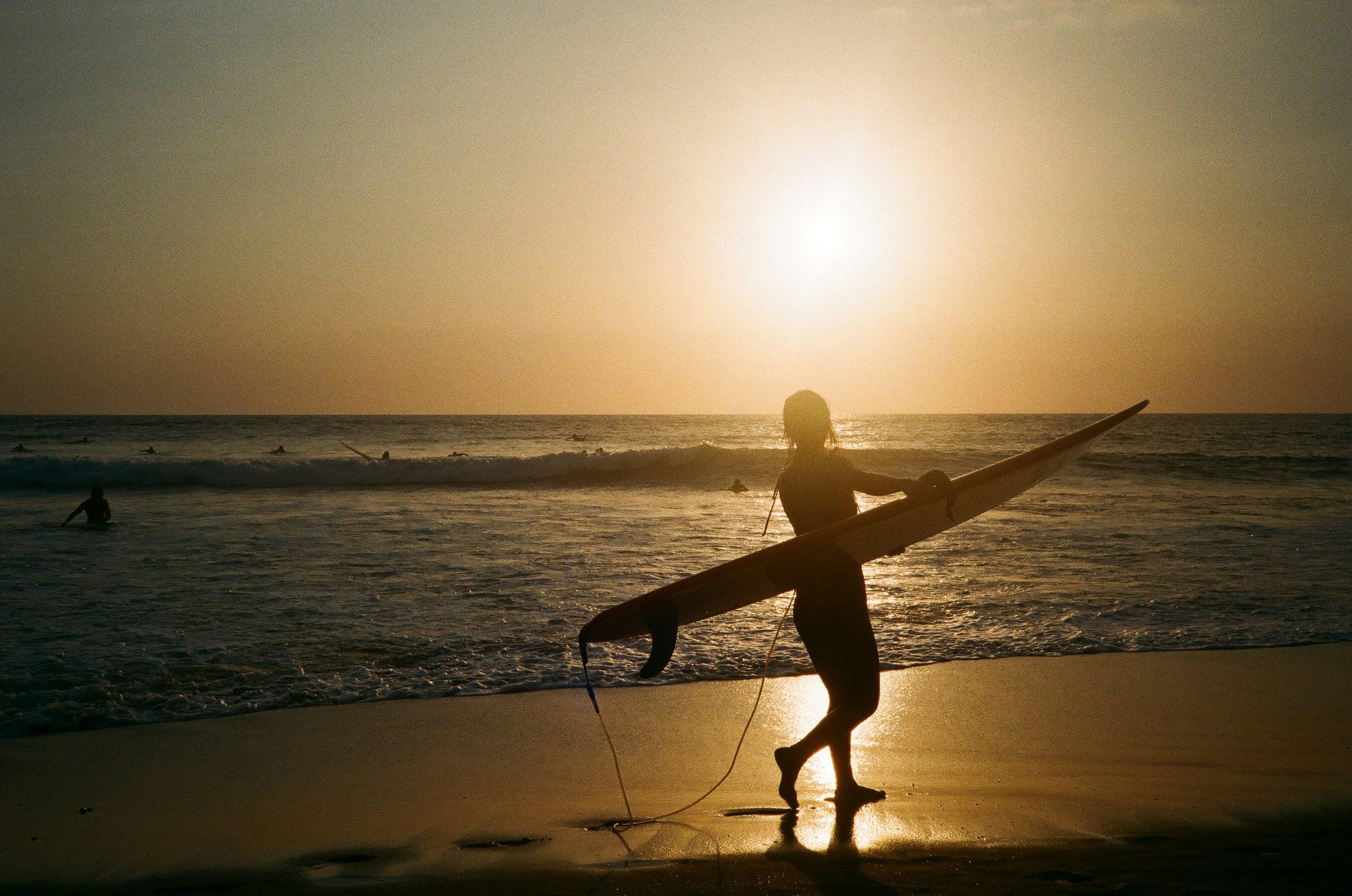
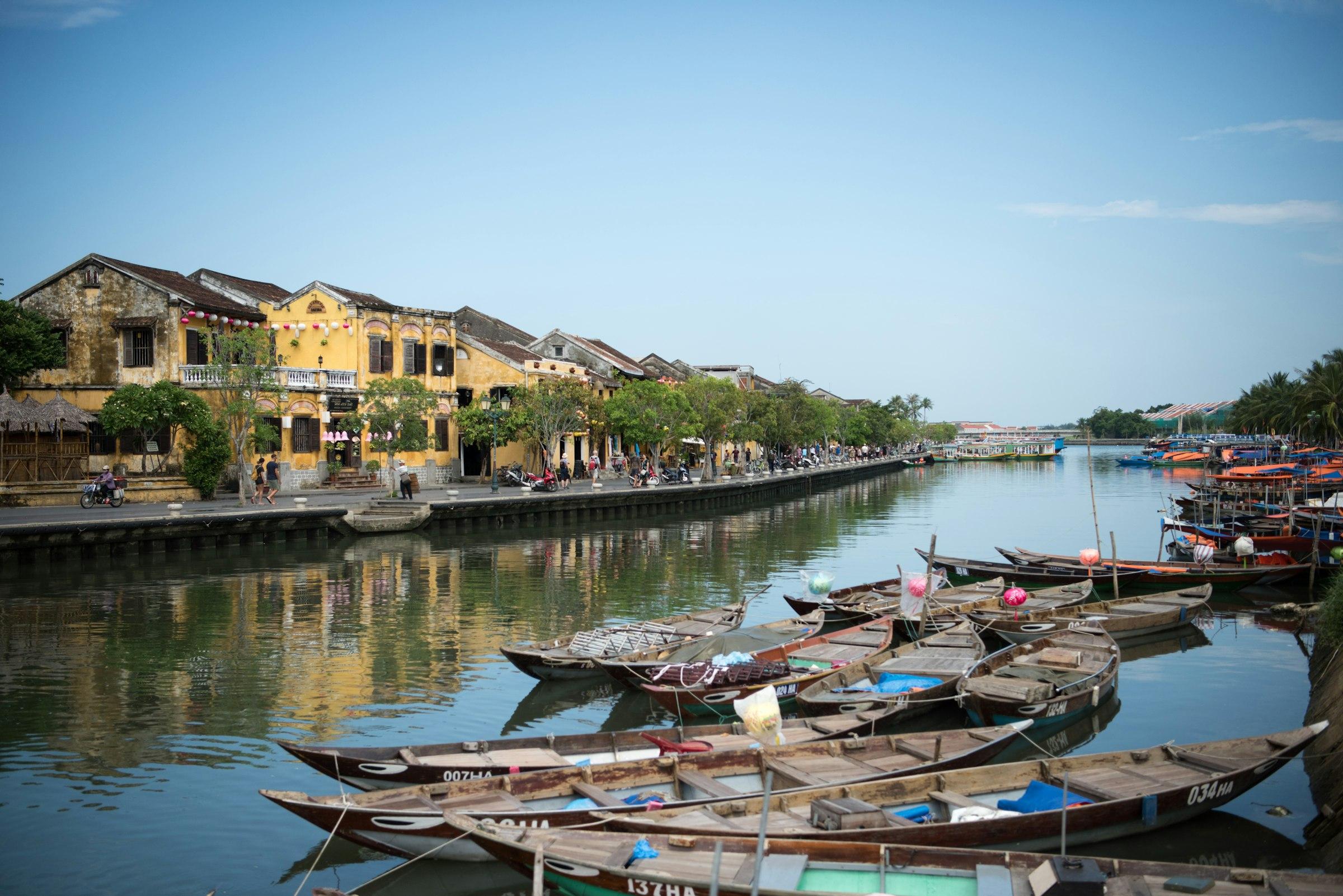
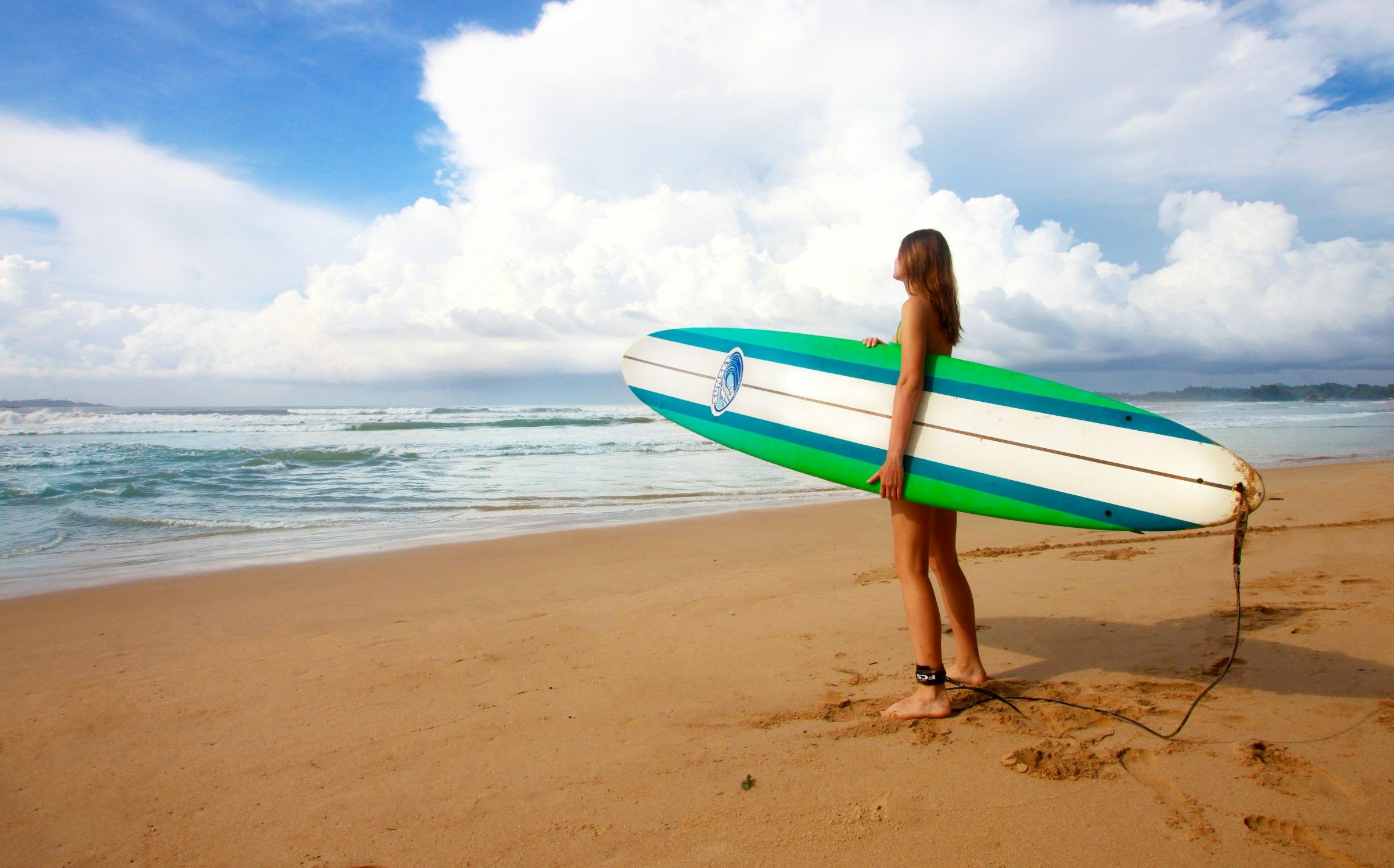
Places like Ubud
The closest matches in the catalogue, measured across cost, climate, connection and safety — with the reason each one is here. Compare any of them against this page in one click.
How the scores work
Every score runs 0–10 and is comparative — where Ubud lands across the catalogue, not a grade in isolation.
Cost
8.7#13 of 101 · 1 of 1 measured
What a month costs, from the cheapest way of living here to the dearest we can price.
A month runs €1,017–€1,122 and everyday spending is modelled from national price levels. Across the catalogue that ranks 13th of 101.
Public data 8.7
Work
5.0#52 of 103 · 2 of 2 measured
Connection, desks and whether the working day here meets yours.
Typical downloads run around 8 Mbps and 3 coworking spaces are mapped in town. Across the catalogue that ranks 52nd of 103.
Public data 0.2
Public data 9.8
Climate
5.9#66 of 103 · 1 of 1 measured
How the year feels outside, air quality included.
0 of the 12 months sit in the comfortable 18–27 °C range and the air is clean (8.8 µg/m³ PM2.5). Across the catalogue that ranks 66th of 103.
Public data 5.9
Safety
7.1#30 of 103 · 6 of 6 measured
The country-level baseline: violence, healthcare, water, and who the law protects.
Violent crime is rare nationwide (0.41 homicides per 100k), women's safety scores 7.0/10 on the Georgetown index, 55 clinics and hospitals are mapped within reach and tap water is not drinkable. Across the catalogue that ranks 30th of 103.
Public data 9.4
Public data 9.8
Public data 7.0
Public data 1.0
Public data 5.0
Public data 2.8
Getting there
3.1#94 of 103 · 3 of 3 measured
Getting in, staying legally, and flying out again.
An EU passport gets 0 visa-free days, there is a dedicated nomad visa and the nearest major airport is 29 km from town. Across the catalogue that ranks 94th of 103.
Public data 3.3
Public data 2.3
Public data 3.9
Going out
3.8#75 of 103 · 4 of 4 measured
Evenings, eating and what there is to do when the laptop closes.
For every 100 restaurants and cafés there are 4 bars, pubs or clubs and 5 vegan-friendly places per 100 restaurants and cafés. Across the catalogue that ranks 75th of 103.
Public data 0.3
Public data 2.5
Public data 8.6
Public data 8.3
Being active
6.2#31 of 103 · 2 of 2 measured
Gyms and studios, board sports, and the nature within reach.
36 gyms and 11 yoga studios are mapped in town, 10 nature reserves and 0 hiking routes lie within 30 km, it sits on the coast and the wind is kiteable on 0 days a year. Across the catalogue that ranks 31st of 103.
Public data 6.6
Public data 5.8
Community
Nothing measured here yet
Members on the ground, chapters and events — our own data, not a proxy.
Not measured here yet: community.
Read the sectionSources
Every figure on this page carries the source it came from and the date it was measured. Where no source exists, the field is left empty rather than estimated.
- 1
Copernicus ERA5Generated using Copernicus Climate Change Service information
ECMWF’s ERA5 reanalysis, retrieved through Open-Meteo. Temperatures, rainfall, cloud cover and wind are daily values for the last complete calendar year.
- 2
Our own reading of ERA5 data, not a measurement: a month-by-month score for how comfortable the felt temperature is, damped for rain and cloud. The formula is published.
- 3
OpenAQCC BY 4.0
Air quality measured at ground stations. Only reaches part of the catalogue — a city needs a station nearby that is still reporting.
- 4
OpenStreetMapODbL
Community-mapped places: coworking, cafés, gyms and diet options within 15km. Counts are a floor rather than a census — coverage depends on local mappers.
- 5
M-LabCC BY-SA 4.0
Internet speed from real speed tests run by people in the city, aggregated over a seven-day window.
- 6
OurAirportsPublic domain
Airport locations and types. Distances are to the nearest major airport with scheduled service.
- 7
UNODCFree with attribution
Intentional homicide rate from the UN Office on Drugs and Crime — a national figure, because no free source measures crime per city. The year next to the number is the year the country last reported.
- 8
Prices read by hand from the operator’s or authority’s own published price list — a transit tariff, a coworking rate card, an eSIM store — on the date shown. Checked quarterly; the linked page is the source.
- 9
World BankCC BY 4.0
Price level of household consumption at market exchange rates (US = 100) — a national figure that anchors the cost score where no city-level source exists yet. It measures what arriving with foreign income feels like, which is why a weak currency lowers it.
- 10
Hand-maintained country tables for the LGBTQ+ legal position and tap-water safety, compiled from advocacy databases (ILGA World, Human Dignity Trust), national authorities and government travel advice, and scored with a published rubric. Country-level by nature — city reality can differ, which is what the practical note is for.
- 11
WikidataCC0
Structural facts taken from the place’s Wikidata entity — resident population, which mirrors a national census figure, and elevation above sea level. The year is the one Wikidata records for that figure; where the entity was the wrong scale for the place we describe, the number has been replaced by a hand-sourced one from the statistics office instead.
- 12
Government sources
Visa and entry rules come from the responsible authority for each country, linked in the visa section and re-checked by hand on the date shown.
Frequently asked questions
How much does it cost to live in Ubud per month?
Between €1,017 and €1,122 a month, housing and everyday spending together. Housing is a coliving room at €746. Everyday spending — food, local transport, leisure — is modelled from national price levels rather than measured in the city, so it is an indication and not a quote. A coworking desk is extra at €131. Every figure carries its source on the destination page.
How fast is the internet in Ubud?
Median download speed is about 8.2 Mbps. Source: M-Lab median of 2,415 tests within 50 km, last 7 days.
What visa do I need for Ubud?
No visa-free entry for EU or US passports — you buy a Rp 500,000 visa on arrival for 30 days, extendable once. The E33G Remote Worker KITAS is the legal one-year route, but it wants US$60,000 a year in foreign income, and 2026 brought visible deportations of people working on tourist visas. Last checked 2026-07-29. Always confirm with the official source before booking.
What is the weather like in Ubud?
Winters average 25 °C and summers 26.4 °C. 0 of 12 months average a comfortable 18–27 °C (felt temperature). Source: Copernicus ERA5, 2025 annual average.
Can I work European or US hours from Ubud?
A 09:00–17:00 working day in Ubud overlaps 1 hours with Central European time and 0 hours with US Eastern time, at standard time.
Are there coworking spaces in Ubud?
3 coworking spaces are mapped in Ubud, plus 352 cafés to work from. Source: OpenStreetMap, within 15km. Counts are a floor, not a census — coverage depends on local mappers.
How do you get to Ubud?
The nearest major airport is about 29 km away. 1 airport with scheduled service within 100 km. Source: OurAirports — nearest major airport is Denpasar I Gusti Ngurah Rai International Airport.
Where Ubud ranks
Last reviewed July 29, 2026. Every figure carries its own measurement date; hover a footnote for the source, or see the list above.